🎭 **6 Voamaintilany - Divers et divertissements**.
🏄♂️ *Prêt pour l'aventure et les activités sportives? Plongez dans l'univers des hébergements charmants et des séjours inoubliables Vivez des expériences uniques et des sensations fortes au cœur de paysages naturels d'une beauté rare.


📰 « Découvrez nos articles récents et Archives »
🏪 « Découvrez les Offres de nos Espaces »
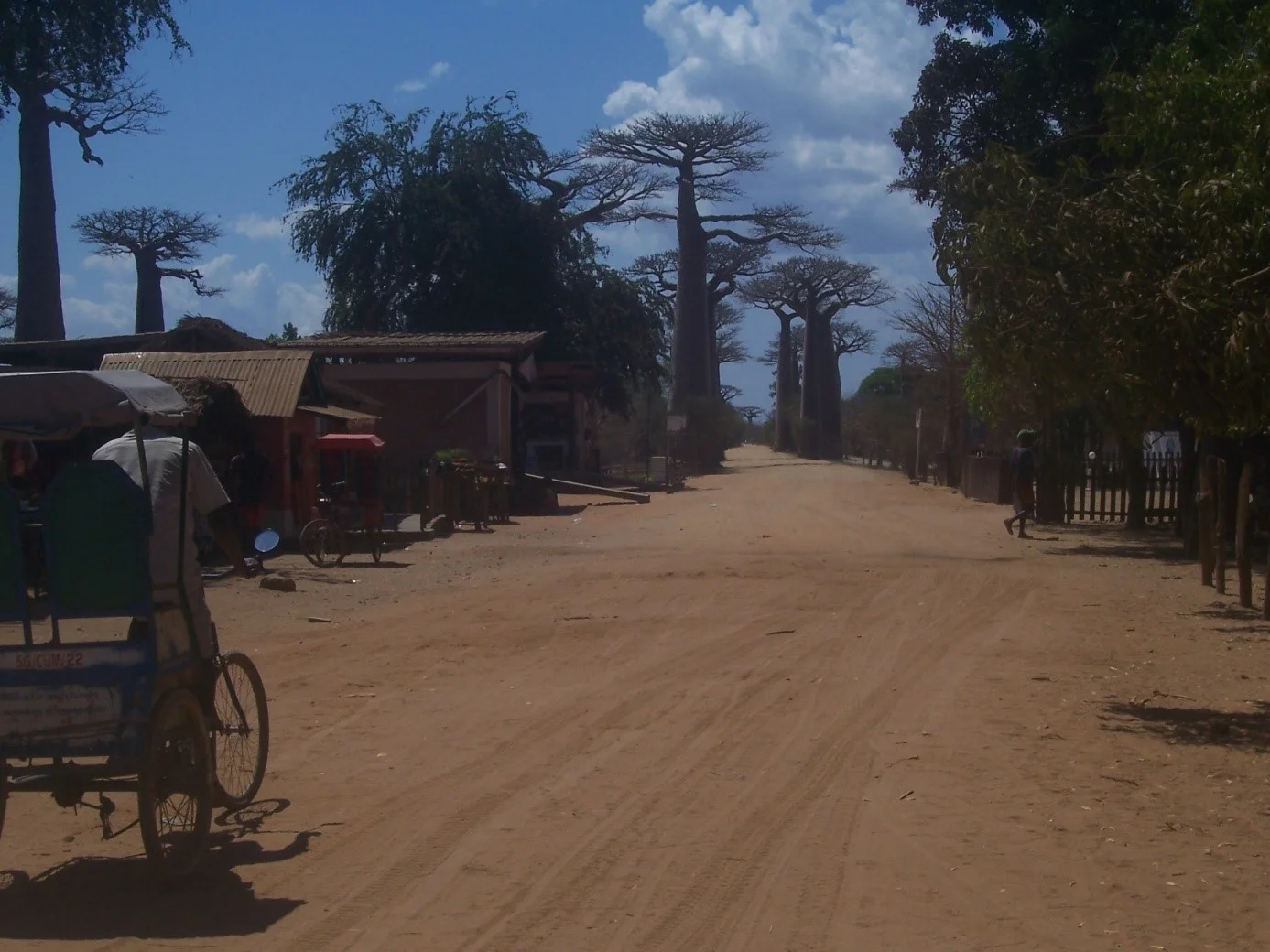
The remark reflects the strong connection between the landscape, the road network and the everyday life of the communities living around the baobab country. The Avenue of the Baobabs is also closely connected to other destinations in the region. Travellers continuing towards Belo-Tsiribihina, for example, pass through this broader area. The route is also used by visitors travelling towards the Tsingy and Kirindy Forest, two other major attractions of western Madagascar.
Kirindy is located several dozen kilometers from the baobab area, while Belo-Tsiribihina lies much farther away, roughly 200 kilometers to the north-west of the junction, depending on the route taken. This makes the Avenue of the Baobabs both a destination in its own right and a natural gateway to a wider journey through Menabe.
Few landscapes have become as closely associated with Madagascar in the international imagination as the silhouettes of baobabs standing against the western sky. At Morondava, these trees have become a meeting point between nature, tourism, photography and local identity. Their distinctive forms provide travellers with an unforgettable visual experience, while the surrounding roads and villages offer a glimpse into the daily life of Menabe.
By Ami Ral

Selon Rabibisoa Hypollite, beaucoup d’habitants de ces zones rurales ont un accès limité à l’éducation et certains ne savent pas lire ni écrire. « J’ai participé à cette manifestation pour contribuer à la sensibilisation sur l’environnement. Les activités de l’association permettent également d’aider des enfants vivant en milieu rural qui ne disposent pas encore d’acte de naissance. C’est l’un des objectifs de cette initiative », explique-t-il.
Pour cet ancien responsable communal et éducateur, participer à une telle action était donc une manière de joindre l’exemple à la parole. « En tant que personne qui a toujours été engagée dans l’éducation, je me devais également de participer », affirme-t-il.
Feux de brousse
Interrogé sur les éventuelles pressions environnementales qui menacent aujourd’hui l’Allée des Baobabs, notamment les risques de dégradation liés aux feux de brousse, l’ancien maire évoque une situation préoccupante. « Oui, il y en a. Il y a actuellement beaucoup de feux de brousse, notamment dans notre région. Sur la route de Beloha, certaines personnes continuent de mettre le feu à la végétation », explique-t-il.
Cette situation serait particulièrement fréquente à l’approche de la saison des cultures. « À l’approche de la saison des plantations, ce phénomène revient régulièrement. Nous ne savons pas toujours si le feu est provoqué par des personnes qui jettent accidentellement des braises, par des fumeurs qui abandonnent une cigarette, notamment la nuit, ou s’il s’agit parfois d’incendies volontairement provoqués. La végétation étant sèche, le feu peut rapidement se propager », poursuit-il.
Pour Rabibisoa Hypollite, sa participation à l’Ecotrail dépasse donc largement le cadre d’une simple compétition sportive. Il considère cette initiative comme un moyen d’éducation et de sensibilisation à la protection de l’environnement, mais aussi comme une occasion de montrer l’exemple aux jeunes générations.
« Chacun doit prendre conscience de la nécessité de se mobiliser. Si notre environnement est détruit, il n’y aura plus de vie à Madagascar et nous n’aurons plus d’air à respirer », insiste-t-il. À 67 ans, cet ancien maire, éducateur et athlète vétéran entend ainsi transmettre un message aux jeunes.
« C’est aussi pour cela que j’ai participé : pour servir de modèle aux jeunes », affirme-t-il. Et de conclure avec une pointe d’humour et de détermination : « Même si l’on avance en âge, le talent ne doit pas être abandonné. C’est peut-être ce qui dérange certains Malgaches : beaucoup se moquent des autres. Beaucoup se sont moqués de moi en disant : "À son âge, il se prend encore pour un enfant !" »
Ami Ral
Sakamalaho — Produits & Terroir
Martial mpamokatra tantely:
Martial mpamokatra tantely:
“Ny ahafantarana ny tantely “pur”, omeko fitiliana tsotra telo ianareo”
Mbay Lalana — Laissez Passer
Transport Zone nationale et régionale
Transport Zone nationale et régionale
Fasankarana fermée, tous les départs se font désormais à la gare d’Amoronakona
Tantsaha — Olan'ny fananantany
Fikambanana FIMAMI:
Fikambanana FIMAMI:
« Fitopolo isanjaton’ny tantsaha mbola miaina olan’ny fananantany” !
Mahaliana — Vacances & Environnement
« Destination Madagascar »
Les charmes des baobabs séduisent encore et toujours les touristes !
[« Ces touristes chinois ne se lassent jamais : on les emmène toujours voir les baobabs », raconte ce guide-accompagnateur qui transporte des touristes.]
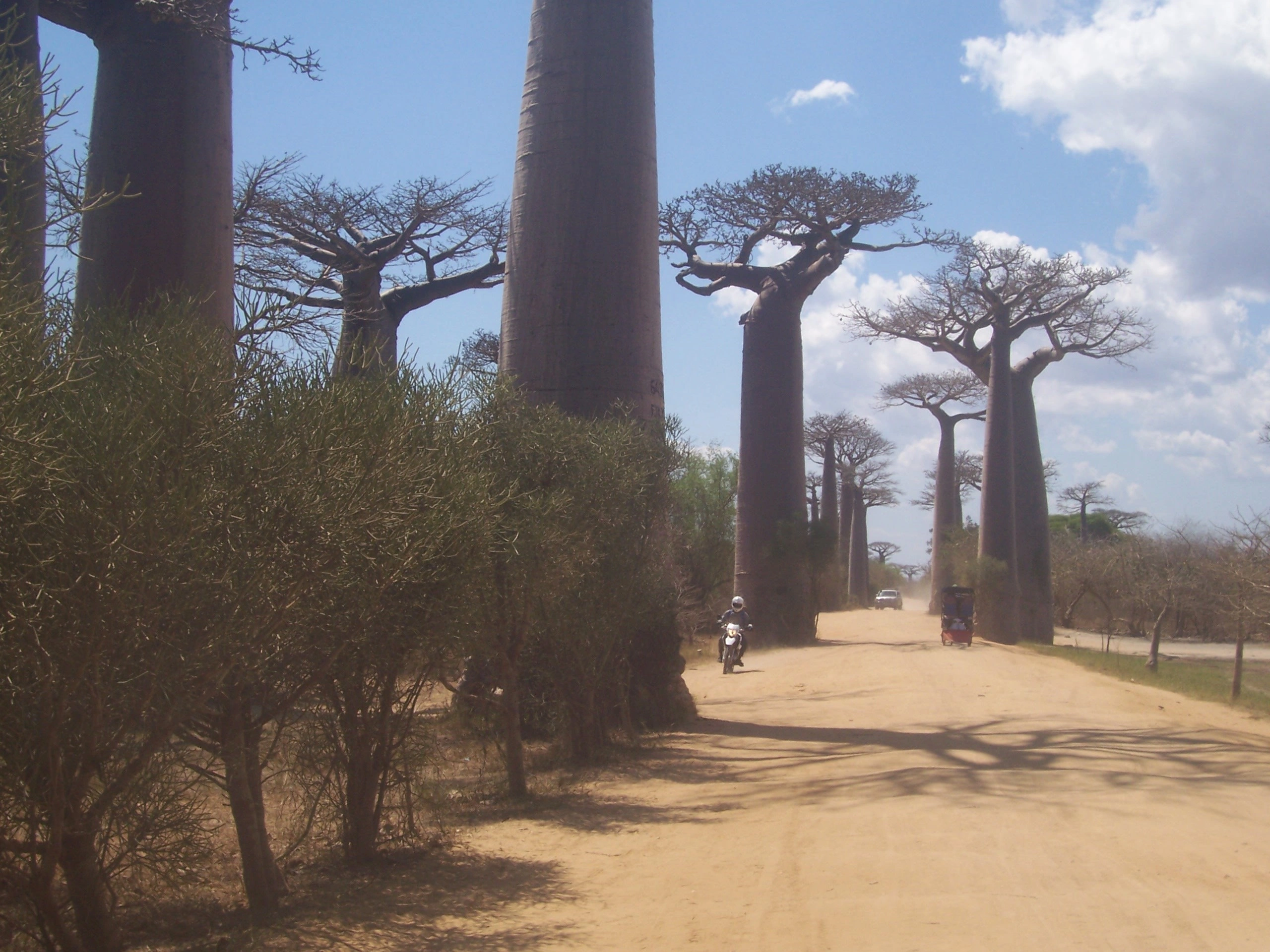
Si le ravinala figure parmi les plantes emblématiques qui ornent les forêts de la partie orientale de Madagascar, le baobab est, quant à lui, l’une des grandes figures végétales de l’Ouest. Jusqu’à présent, force est de constater que les baobabs continuent de fasciner les nombreux touristes qui viennent à Madagascar.
📅 18 Septembre 2026
Lire la suite
Fizahantany-Madagasikara
Mpizahatany maro no mbola babon’ ny baobab rehefa tonga eto !
[“Tsy mety leo mihitsy ireo mpizahatany sinoa ireo fa entina mandeha mijery baobab foana”, hoy ihany ilay mpisera-dia sady mpitondra mpizahatany io.]
Raha ny ravinala no anisan’ny zavamaniry mandravaka ny ala amin’iny faritra atsinanan’i Madagasikara iny dia ny baobab kosa ny any andrefana. Tsikaritra hatreto fa mbola mambabo ireo mpizahatany maro tonga eto hatramin’izao ny baobab. Izay tsy mba nitsangatsangana teny amin’ny “Allée des baobabs”, ohatra, dia toy ny tsy nandalo tao Morondava sy Menabe, tahaka ny hoe nandalo tao Paris kanefa tsy nahita ny “Tour Eiffel” ao Frantsa. Hany ka lasa baobab mihitsy no natao marika (emblême) entina anavahana sy ahafantarana an’i Morondava sy iny faritr’i Menabe iny rehefa misy fanehoana momba an’i Madagasikara. “Isan-kariva dia feno fiara mitondra vazaha mpizahatany foana mandalo ety aminay”, hoy ity vehivavy efa zokiolona iray, monina amin’ny tanàna manamorona an’iny “Allée des baobabs” iny.
📅 18 Septembre 2026
Araho ny tohiny
Mbay Lalana — Transport & Circulation
Transport Zone nationale et régionale
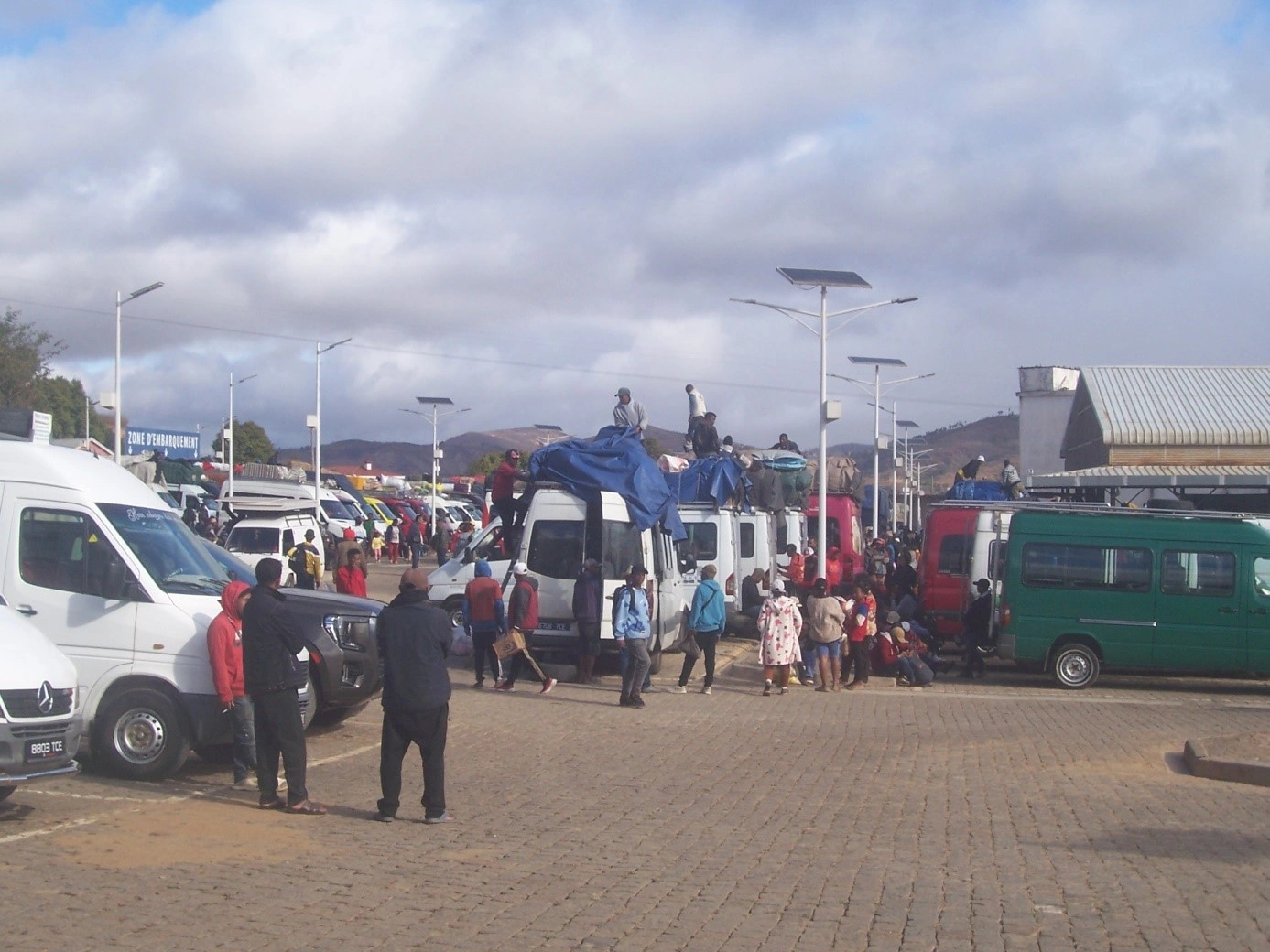
Fasankarana fermée, tous les départs se font désormais à la gare d’Amoronakona
[« La première journée a été quelque peu perturbée, car l’organisation n’était pas encore bien coordonnée. »]
Des changements sont intervenus dans le transport assuré par les taxis-brousse transportant des voyageurs sur les lignes nationales et régionales au départ de la capitale, Antananarivo. La gare routière des taxis-brousse de Fasankarana a été totalement fermée. Désormais, tous les véhicules transportant des voyageurs partent de la gare d’Amoronakona. Cette nouvelle mesure est entrée en vigueur depuis le mercredi 16 septembre 2026.
📅 18 Septembre 2026
Lire la suite
« Ecotrail de l’Allée des Baobabs » – Morondava
Un athlète vétéran et ancien maire se classe 6ᵉ au classement général
[Au-delà de l’aspect sportif, l’initiative avait surtout une vocation environnementale et sociale.]
La protection de l’environnement, la préservation de l’écotourisme et le développement de la région de Menabe constituent une œuvre de longue haleine, comparable à une véritable course de marathon. C’est précisément dans cet esprit qu’a été organisée, le 8 août 2026 à Morondava, la 5ᵉ édition de l’« Ecotrail de l’Allée des Baobabs ».
Parmi les participants figurait un athlète vétéran, ancien maire d’une commune de la région. Il s’agit de M. Rabibisoa Hypollite, ancien maire de la commune de Tsimafana, dans le district de Beloha, également appelé Belo-sur-Tsiribihina, dans la région de Menabe, de 2003 à 2015.
📅 18 Septembre 2026
Lire la suite
Sakamalaho — Terroir & Économie
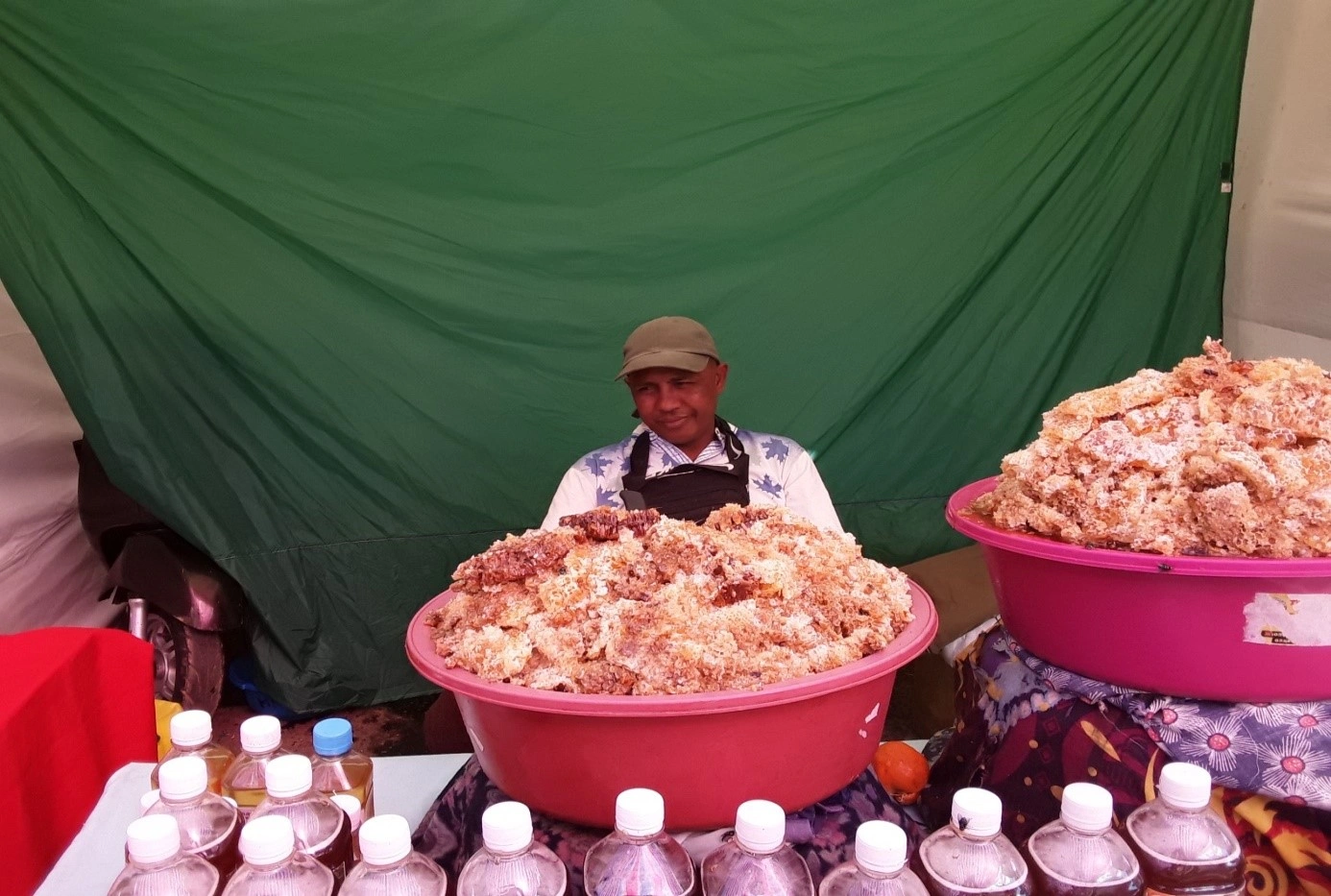
Martial mpamokatra tantely:
“Ny ahafantarana ny tantely “pur”, omeko fitiliana tsotra telo ianareo”
[Ny fahatelo ihany koa dia ny afokasoka.]
Betsaka ny tantely misy mivarotra etsy sy eroa, ary ny ankamaroany milaza hoe “tantely pur” daholo. “Ny ahafantarana ny tantely “pur”, omeko fomba fitiliana tsotra ianareo”, hoy Ingahy Martial, mpiompy sady mpivarotra tantely no sady mpitantana ny orinasa “Tsara tantely”. Nanaiky hamaly ny fanontaniana napetraka taminy izy ka toy izao ny resadresaka nifanaovana taminy.
📅 18 Septembre 2026
Araho ny tohiny
Hairaha — Innovation & Énergie
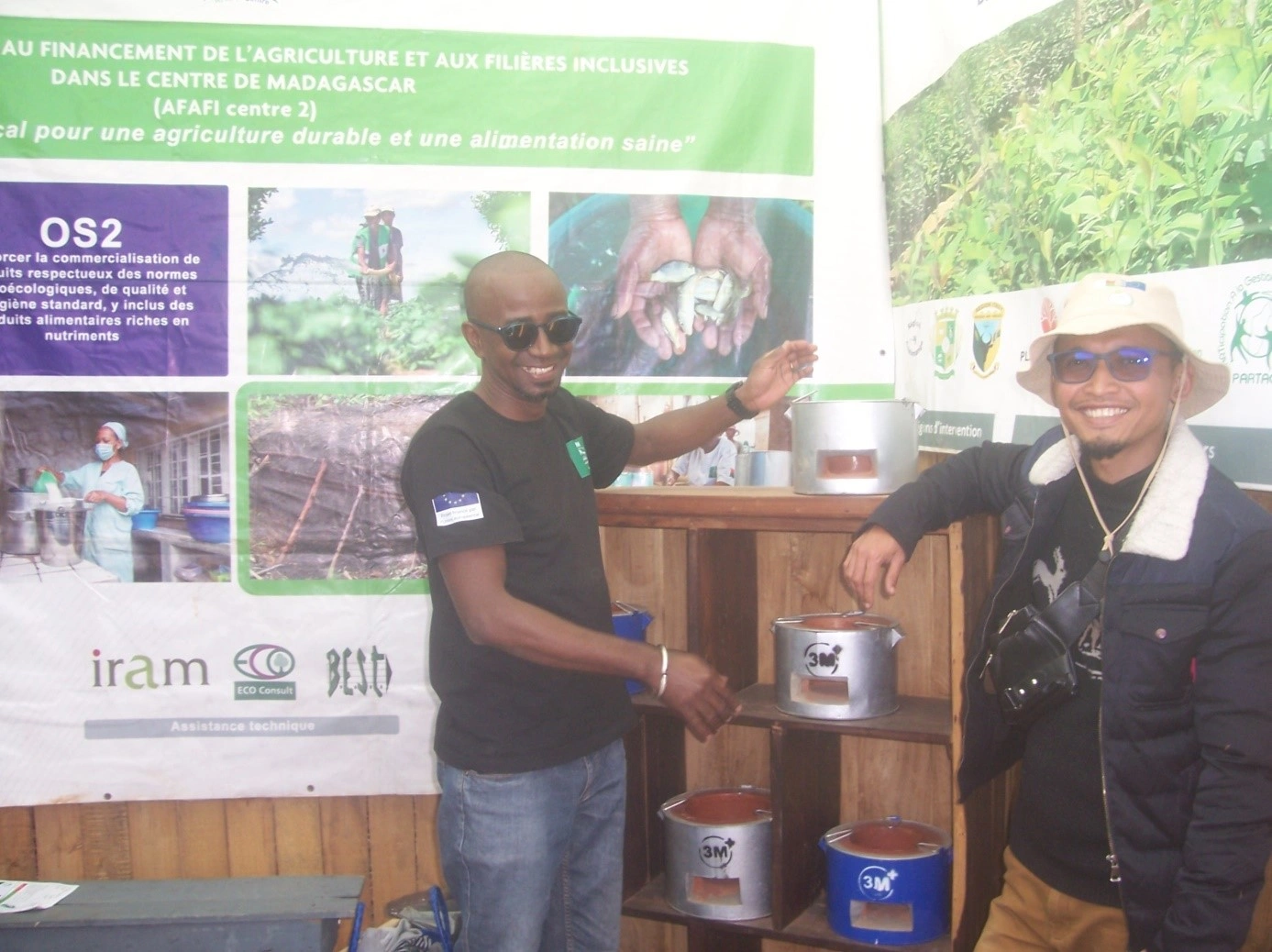
Selon les responsables du projet DIABE2
« Les forêts d’eucalyptus autour d’Antananarivo ne suffisent plus aux besoins des habitants »
[L’objectif est avant tout d’économiser la forêt d’eucalyptus, afin de réduire l’utilisation du charbon de bois dans les ménages et, par conséquent, de réduire les besoins.]
Comment faire pour résoudre le problème actuel de l’approvisionnement en énergie nécessaire à la cuisson des aliments dans les ménages ? « Les forêts d’eucalyptus autour d’Antananarivo ne suffisent plus à répondre aux besoins de la population », affirment les responsables du projet DIABE2. À ce sujet, un entretien a été réalisé avec les représentants de ce projet, notamment Randrianasolo Sandy, responsable de la communication au sein de DIABE 2, ainsi que Fetra, technicien au sein de DIABE 2, qui travaille dans le district d’Andramasina.
📅 18 Septembre 2026
Lire la suite
Fikambanana FIMAMI:
« Fitopolo isanjaton’ny tantsaha mbola miaina olan’ny fananantany” !
[Izany hoe mbola tsy azy tanteraka ny tany.]
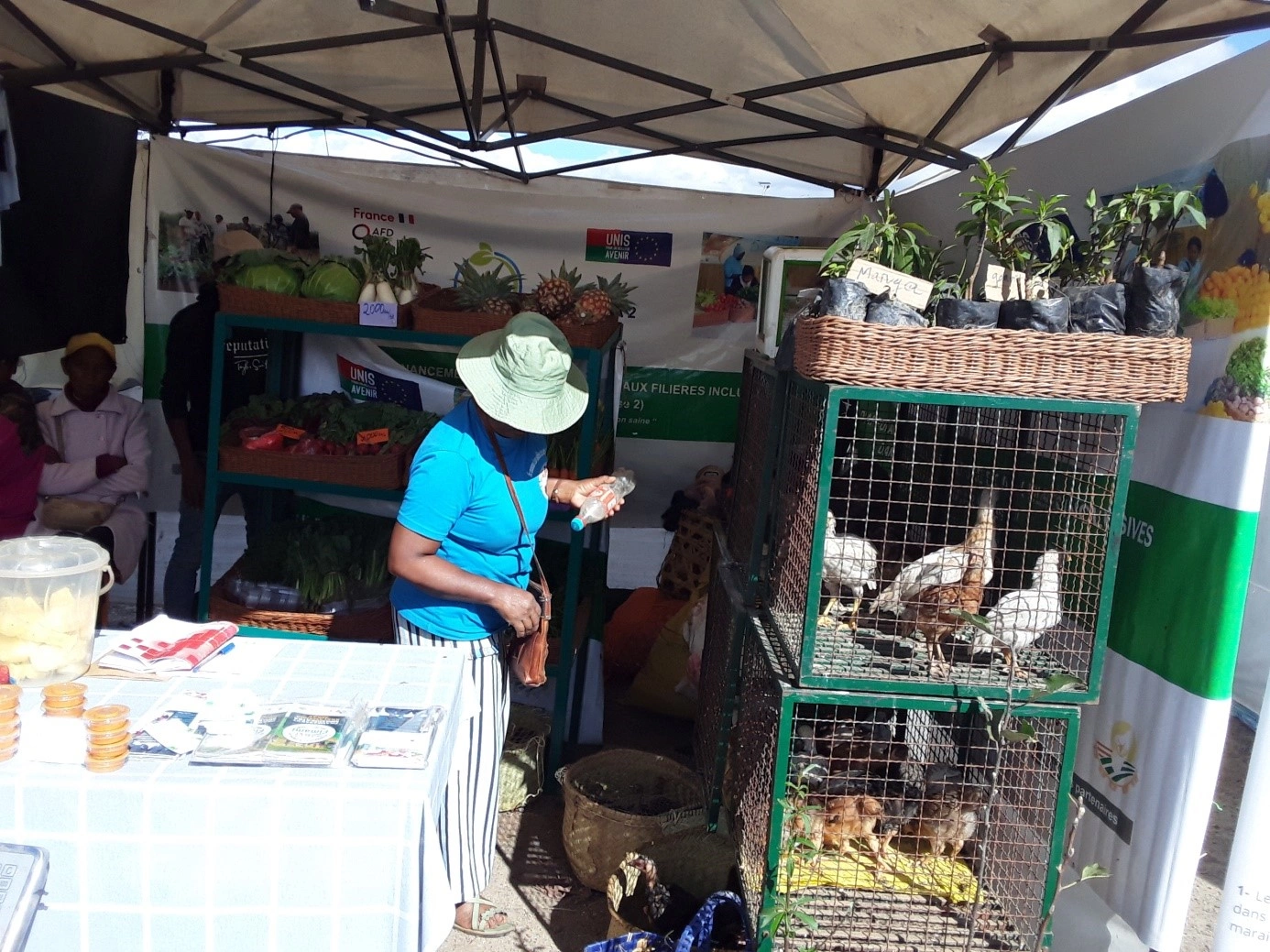
Anisan’ny tsy afa-misaraka amin’ny Tantsaha ny resaka tany satria io no ahafahana enti-mamokatra. Fitopolo isanjaton’ny tantsaha mbola miaina olan’ny fananantany. Anisan’ny navoitran’ny filohan’ny fikambanana Fikambanan’ny mpamokatra Analamanga Miray (FIMAMI) Raziliarisoa Tahiry io, nandritra ny tafa nifanaovana taminy.
📅 18 Septembre 2026
Araho ny tohiny
📰 Blog Voandalana au Quotidien
🌿 Escales & Découvertes — Madagascar
🌿 — CULTURE & COUTUME —
La fête du Santabary : La grande délaissée de la tradition paysanne et coutume malgache !
Lire →Valiha : L'instrument qui fait vibrer l'âme de Madagascar !
Lire →Patrimoine textile : Le kapaiky et le lamba akotofahana, symbole d'une identité !
Lire →« Taombaovao malagasy » - Anosimanjaka : 465è nouvel an traditionnel, résurgence du passé et « Alahamadibe » confirmé !
Lire →Portrait de Lija : Un artiste malgache aux multiples talents
Lire →Cinéma Malgache : Huit jeunes producteurs formés à la coproduction Internationale
Lire →🌿 — ENVIRONNEMENT —
Réserve d'Ankafobe : Un sanctuaire discret face aux défis de la conservation à Madagascar !
Lire →CHANGEMENT CLIMATIQUE : CAS DE MADAGASCAR - « HAUSSE DES TEMPERATURES, RETARD DE LA SAISON DES PLUIES, RACCOURCISSEMENT ET FORTES PRECIPITATIONS »
Lire →Supposées « camoufler des richesses » : Des forêts et aires protégées convoitées, menacées ou ravagées !
Lire →— VOYAGE & TRANSPORT & TOURISME —
Grandes vacances et « Famadihana » : Affluence énorme vers les provinces, les taxi-brousses ont presque doublé !
Lire →Fitaterana amin'ny lakana : Noferana enina ny olona azo entina isaky ny mandeha
Lire →Madagascar séduit les touristes : Affluence des bateaux de croisière de Novembre à Décembre !
Lire →Destination Madagascar : Le tourisme de croisière en vogue, préférence ou prudence !
Lire →TCE Railway Line: The Train Will Whistle Again
Lire →Aéroport-Ivato : La capacité du terminal national a été doublée !
Lire →Tourisme-Madagascar : Des offres promotionnelles pour séduire les Malagasy à visiter ses merveilles !
Lire →🌿 — CULTURE & COUTUME —
La fête du Santabary : La grande délaissée de la tradition paysanne et coutume malgache !
Lire →Valiha : L'instrument qui fait vibrer l'âme de Madagascar !
Lire →Patrimoine textile : Le kapaiky et le lamba akotofahana, symbole d'une identité !
Lire →« Taombaovao malagasy » - Anosimanjaka : 465è nouvel an traditionnel, résurgence du passé et « Alahamadibe » confirmé !
Lire →Portrait de Lija : Un artiste malgache aux multiples talents
Lire →Cinéma Malgache : Huit jeunes producteurs formés à la coproduction Internationale
Lire →🌿 — ENVIRONNEMENT —
Réserve d'Ankafobe : Un sanctuaire discret face aux défis de la conservation à Madagascar !
Lire →CHANGEMENT CLIMATIQUE : CAS DE MADAGASCAR - « HAUSSE DES TEMPERATURES, RETARD DE LA SAISON DES PLUIES, RACCOURCISSEMENT ET FORTES PRECIPITATIONS »
Lire →Supposées « camoufler des richesses » : Des forêts et aires protégées convoitées, menacées ou ravagées !
Lire →— VOYAGE & TRANSPORT & TOURISME —
Grandes vacances et « Famadihana » : Affluence énorme vers les provinces, les taxi-brousses ont presque doublé !
Lire →Fitaterana amin'ny lakana : Noferana enina ny olona azo entina isaky ny mandeha
Lire →Madagascar séduit les touristes : Affluence des bateaux de croisière de Novembre à Décembre !
Lire →Destination Madagascar : Le tourisme de croisière en vogue, préférence ou prudence !
Lire →TCE Railway Line: The Train Will Whistle Again
Lire →Aéroport-Ivato : La capacité du terminal national a été doublée !
Lire →Tourisme-Madagascar : Des offres promotionnelles pour séduire les Malagasy à visiter ses merveilles !
Lire →📈 Les plus lus
- 1
- 2
- 3
- 4
- 5
- 6
- 7
- 8
- 9
- 10
-
11
28 novembre 2025
- 12
- 13

ESPACE PUBLICITAIRE
DESTINATION MADAGASCAR
Espace réservé aux Agences de voyage-Hôtels-Tours Operateur
Voyage-Hébergement-Sites et Circuits
Informations sur les Offres :
WhatsApp +261 33 76 128 69
mail : voandalana@voandalana-amiduvoyageur.mg
DISCOVER MADAGASCAR
Travel • Accommodation • Tourist Attractions • Tour Packages
For information, please contact:
WhatsApp: +261 33 76 128 69
Email: voandalana@voandalana-amiduvoyageur.mg
ARTISANAT MALAGASY ET BUSINESS
Espace réservé aux Artisans et Intéressés
Filières et Produits-Marché-Autres
Informations sur les offres
WhatsApp : + 261 33 76 128 69
Mail : voandalana@voandalana-amiduvoyageur.mg
VOYAGES-TRANSPORTS
Espace réservé aux Transporteurs et intéressés
Lignes aériennes-Transport-Location de véhicules-Autres
Informations sur les offres :
WhatsApp : + 261 33 76 128 69
Mail : voandalana@voandalana-amiduvoyageur.mg

PRODUITS DU TERROIR
Espace réservé aux Annonceurs et intéressés
Filière et Produits- Producteurs-Marché-Autres
Informations sur les offres :
WhatsApp : + 261 33 76 128 69
Mail : voandalana@voandalana-amiduvoyageur.mg
EVENEMENTIELS ET ENVIRONNEMENT
Espace réservé aux Organisateurs et intéressés
Evénements culturels-Foires-Festivals-Parcs-Autres
Informations sur les offres :
WhatsApp : + 261 33 76 128 69
Mail : voandalana@voandalana-amiduvoyageur.mg