
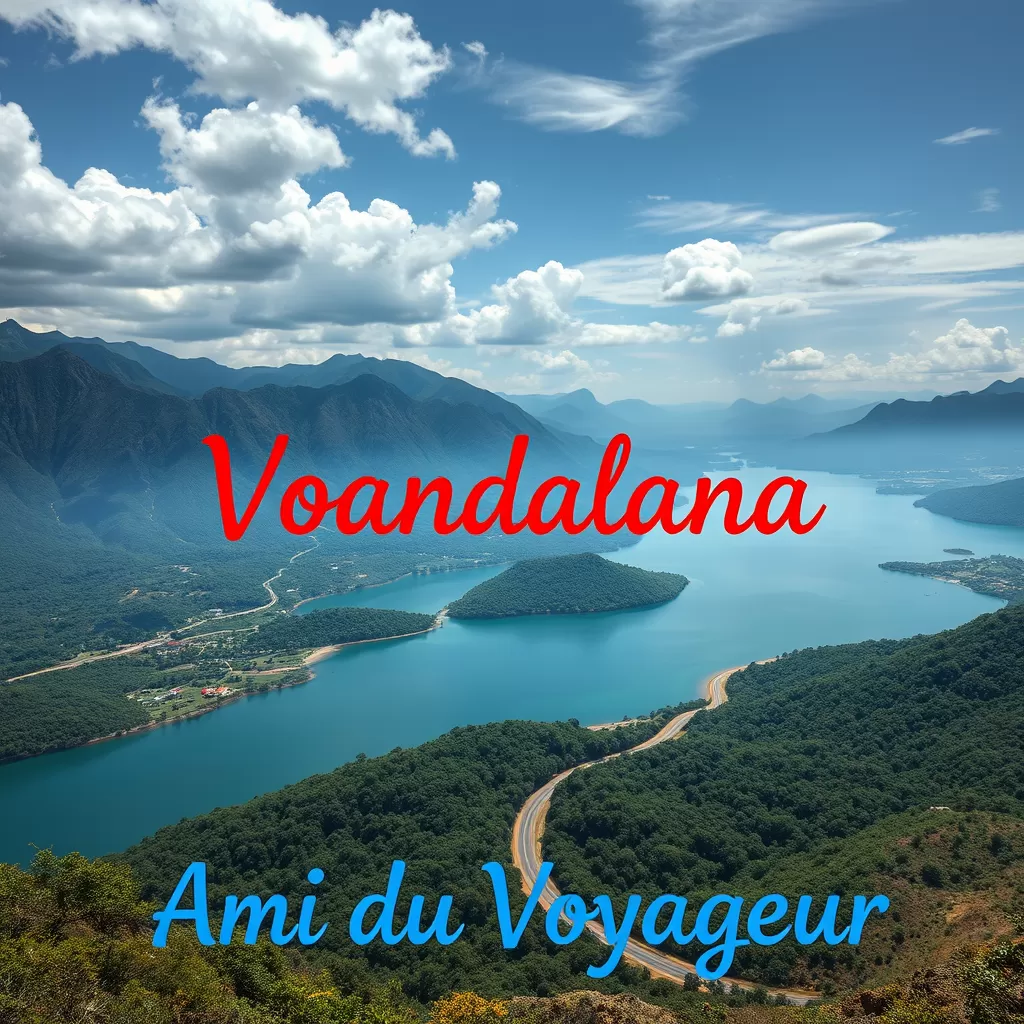
🎭 **6 Voamaintilany - Divers et divertissements**.
🏄♂️ *Prêt pour l'aventure et les activités sportives? Plongez dans l'univers des hébergements charmants et des séjours inoubliables Vivez des expériences uniques et des sensations fortes au cœur de paysages naturels d'une beauté rare.
📰 « Découvrez nos articles récents et Archives »
🏪 « Découvrez les Offres de nos Espaces »
Heritage and International Standards
As a museum and patrimonial site, the Rova is expected to comply with international conservation norms, including principles championed by organizations such as UNESCO. These frameworks emphasize authenticity, reversibility of interventions, and broad consultation with stakeholders.
Critics of the Colosseum argue that such consultation was insufficient. They call for codified national procedures governing any future restoration of Malagasy heritage sites. This would include systematic dialogue with historians, traditional custodians, descendants of royal lineages, and conservation experts.
The goal, they insist, is not to freeze history but to prevent unilateral decisions that may fracture public trust.
A Nation Divided
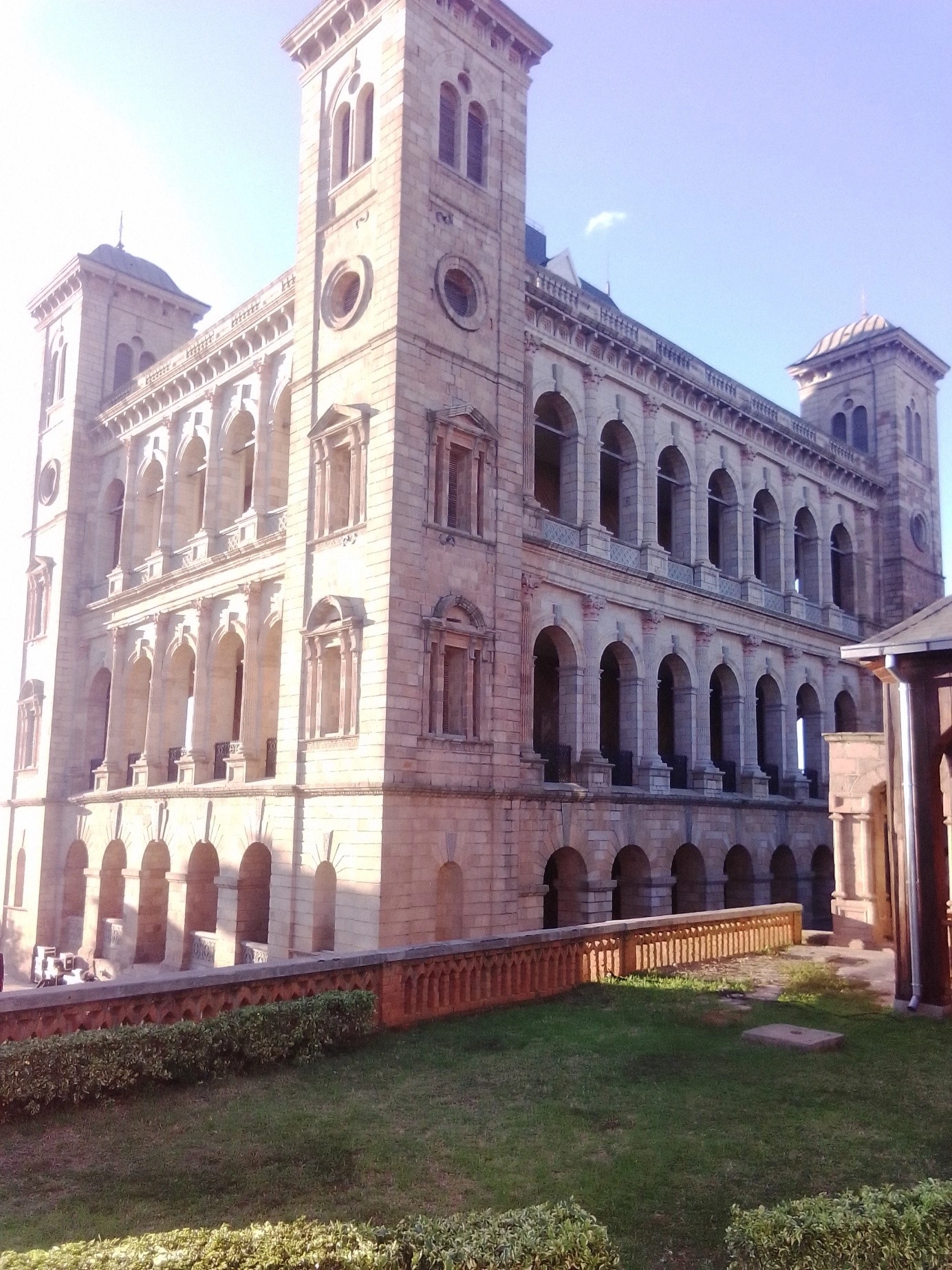
What began as an architectural choice has become a social fault line. Two camps now face off: those who want the Colosseum preserved as a symbol of renewal, and those who demand its demolition in the name of authenticity.
The dispute echoes another naming controversy in Antananarivo: the rebranding of the historic Mahamasina Municipal Stadium as "Stade Barea Mahamasina." For some, renaming public landmarks signals modernization and national pride. For others, it erodes historical continuity.
In both cases, the deeper issue is not concrete or signage, but identity.
Who defines national memory? Who decides how the past is presented? And how can a society reconcile reverence for tradition with the inevitability of change?
Beyond Demolition
If the Colosseum is dismantled, it will not end the debate. Rather, it may mark the beginning of a broader reckoning about heritage governance in Madagascar.
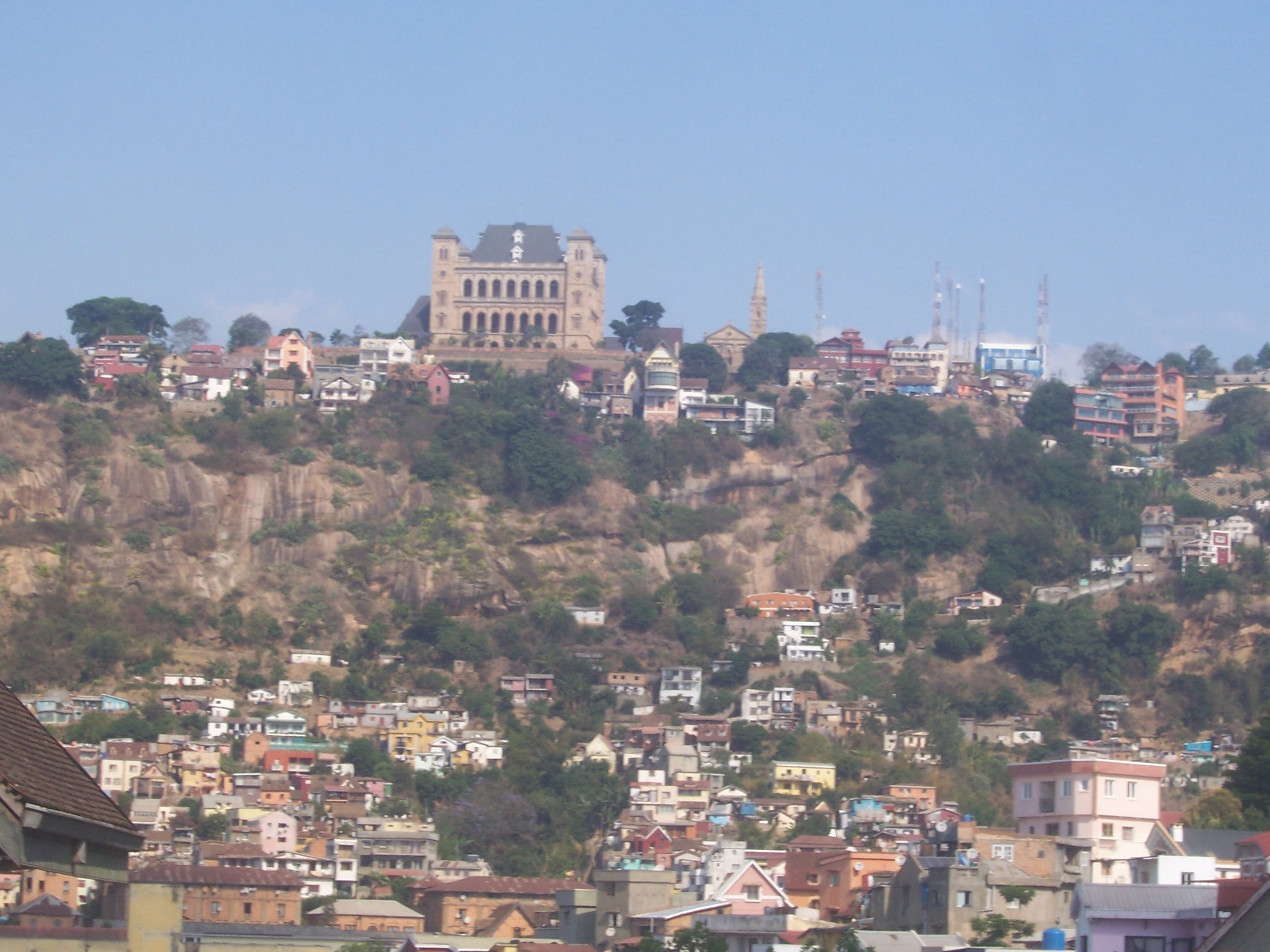
The Rova has always been more than a palace. It is a mirror reflecting the nation's evolving relationship with power, faith, and culture. From the bold religious reforms of Ranavalona II to the reconstruction efforts of the 21st century, transformation has been part of its story.
The challenge lies in distinguishing transformation that enriches from transformation that alienates.
As the government prepares for possible demolition—mindful of technical risks and structural consequences—the public conversation continues. Can modernization coexist with authenticity? Can political authority coexist with ancestral reverence?
High above Antananarivo, the Rova stands at the center of this national introspection. Whether the Colosseum remains or falls, the real reconstruction may yet be that of consensus—a shared understanding of how Madagascar honors its past while shaping its future.
Ami Ral
🌿
📸
Tourisme
Tourisme & Catastrophes naturelles
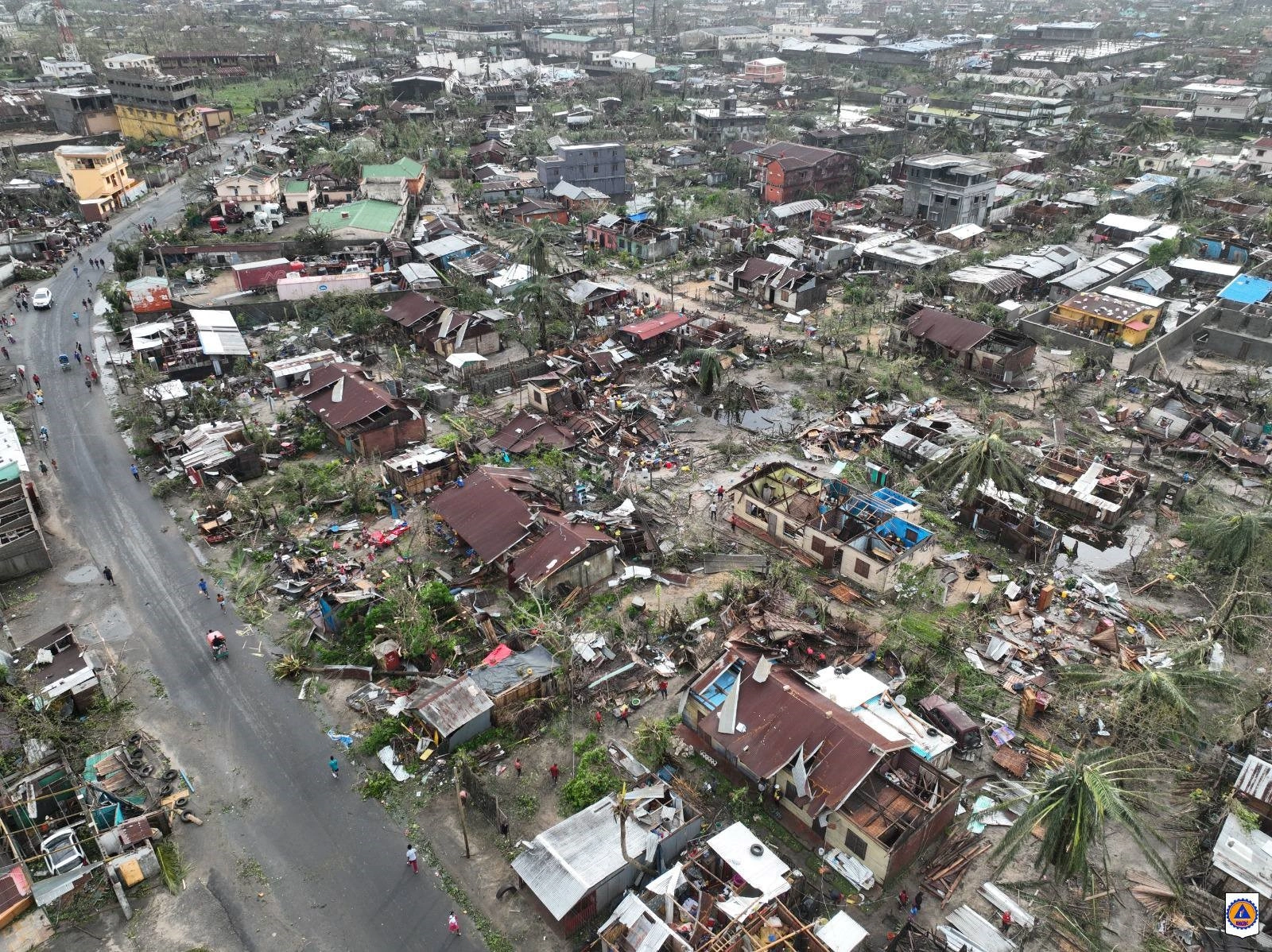
Tourisme à Madagascar : des paysages affectés par le passage de deux cyclones
[Aujourd'hui, l'inquiétude porte sur l'état de ces circuits touristiques] Madagascar a été fouetté par le cyclone deux fois en deux semaines. Après Fitia, c'est Gezani qui est venu balayer une partie du littoral. Deux villes portuaires figurent parmi les plus durement touchées : Toamasina (côte Est) et Mahajanga (côte Ouest).
📅 20 Février 2026
Lire la suite
Destination Madagascar
Destination Madagascar : Des journalistes suisses viennent à la rescousse !
Allier profession et tourisme : sept journalistes suisses en mission de presse organisée par Transcontinents Madagascar en étroite collaboration avec l'ONTM, du 19 au 25 février 2026, à travers le sud malgache.
📅 20 Février 2026
Lire suite
Culture & Société
Patrimoine · Rova
Dilemme de restauration et authenticité : vers la démolition du Colisée dans l'enceinte du Rova !
Le tribunal d'Antananarivo a rendu son verdict le 18 Février 2026, invalidant la construction du Colisée dans l'enceinte du Palais de la Reine. L'on s'achemine vers la démolition.
📅 20 Février 2026
Lire la suite
Diaspora & Société
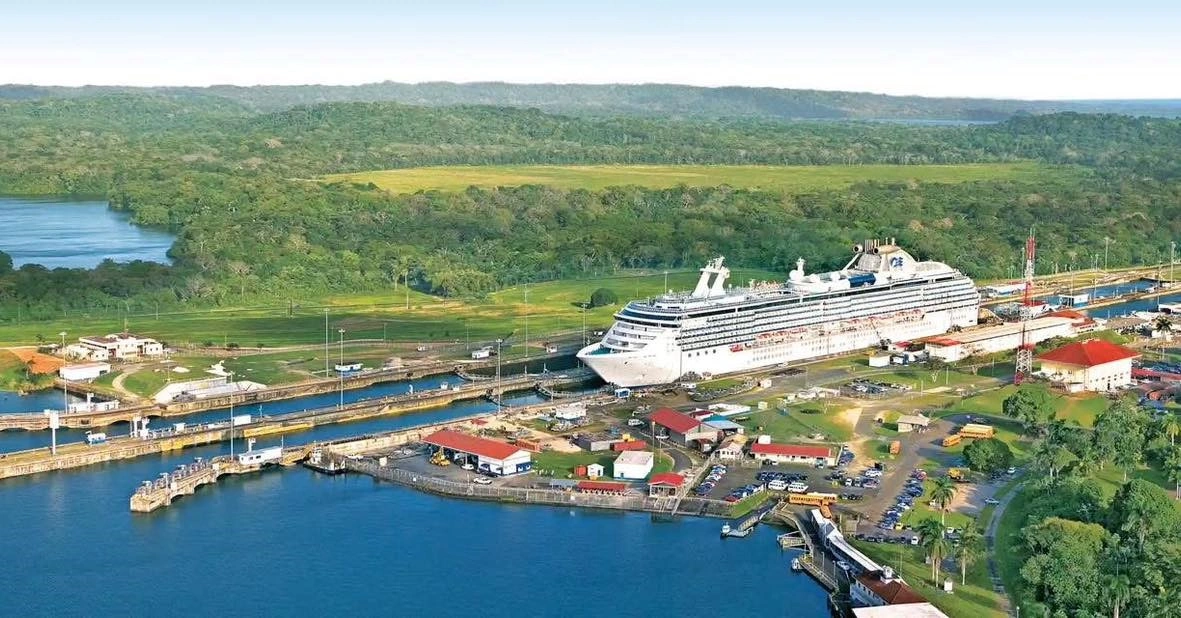
Asa amin'ny sambo "cruise ship" : Mandray mpiasa avy amin'ny firenena maro, anisany i Nomena Jacques Euraldo
Sambo lehibe mpitondra mpandeha mpanao vakansa na koa hoe "Hôtel flottant" ny cruise ship. Any ivelany dia efa tena malaza be sy maro mpankafy ny fandehanana amin'izy ireny.
📅 20 Février 2026
Araho ny tohiny
Environnement
Énergie & Biodiversité
Harena voajanahary eto Madagasikara : Maro ny zavamaniry azo avadika ho solika bio !
Manoloana ny fiakaran'ny vidin-tsolika sy ny fiovaovan'ny toetr'andro maneran-tany, mitady vahaolana maharitra ny firenena maro. Ho an'i Madagasikara, izay manankarena zavamaniry sy harena voajanahary, dia azo trandrahana sy tombony lehibe ny fanamboarana solika bio na biocarburant avy amin'ny vokatra eto an-toerana.
Anisan'ny zavamaniry heverina ho manana ho avy mamiratra amin'ny famokarana biodiesel ny Jatropha (Jatropha curcas). Ny voany dia ahitana menaka avo lenta izay azo ahodina ho solika biodiesel ampiasaina amin'ny milina sy fiara sasany.
📅 20 Février 2026
Araho ny tohiny
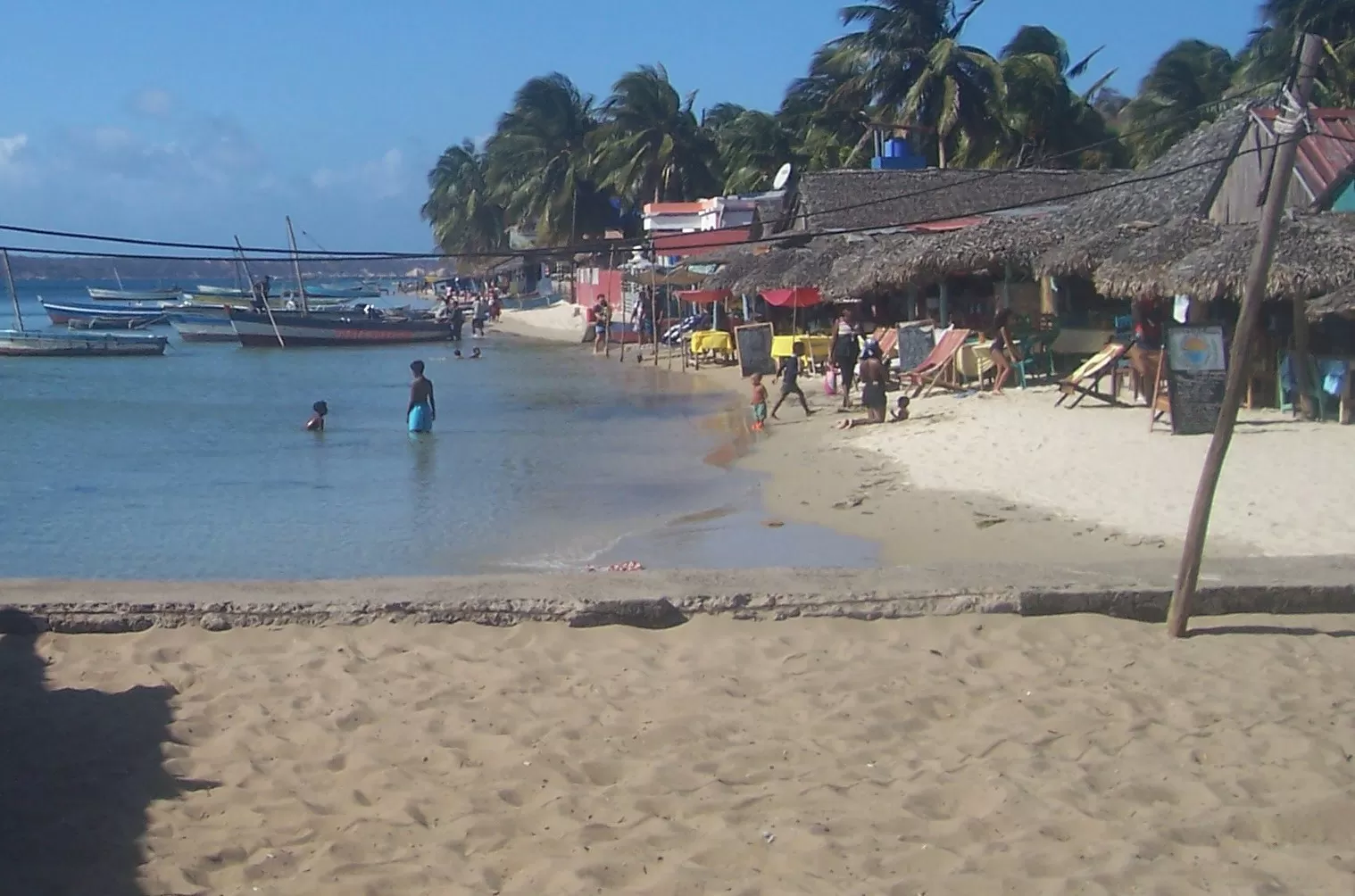
🏝️ Séjour — Réservez maintenant !
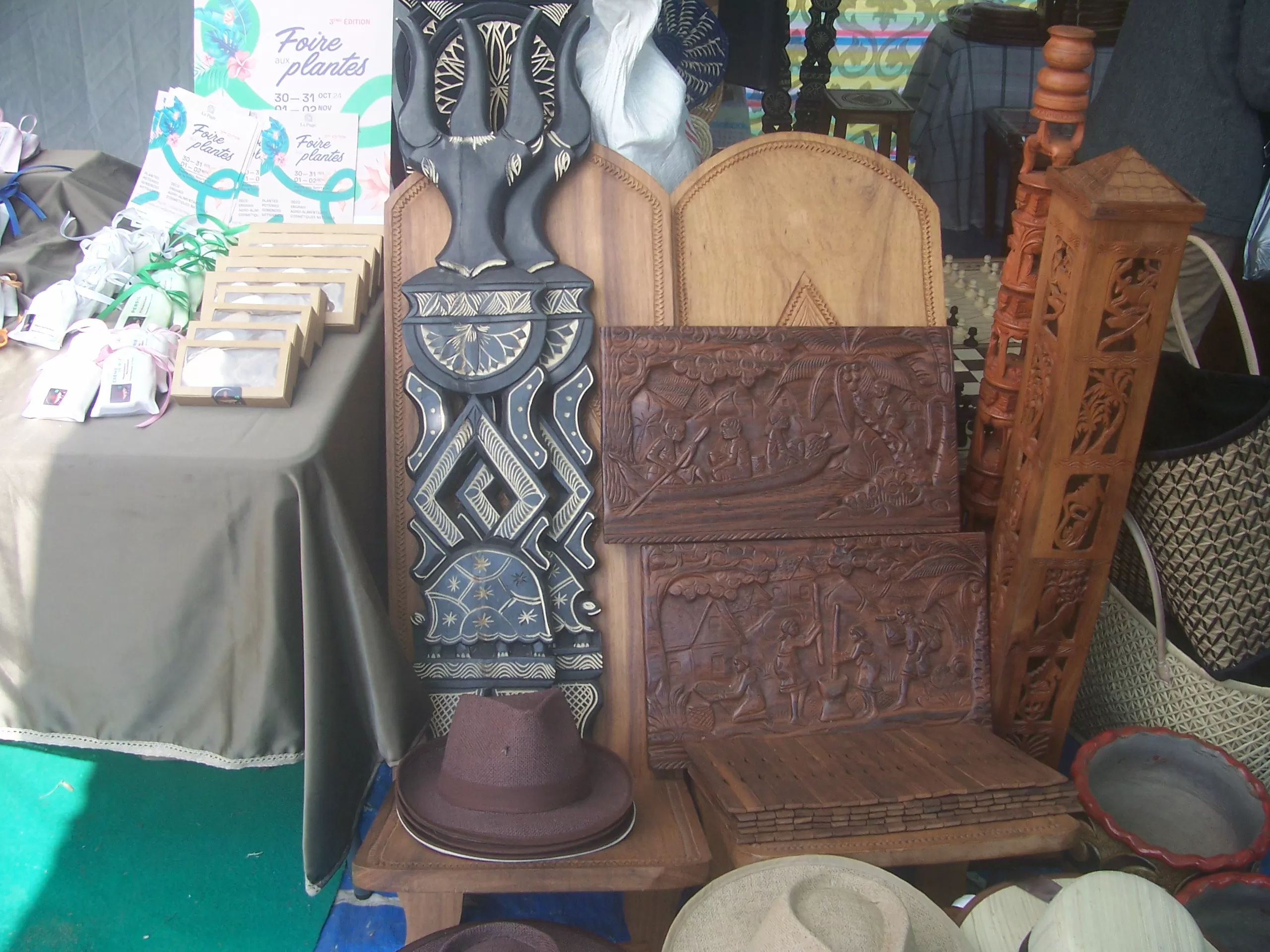
🍯 Produits artisanaux — 100% Made in Madagascar
📸 Votre publicité ici — Contactez-nous
🎶 Festival Culturel — Ne manquez pas l'événement !
⚽ Sponsoring Football — Votre marque en avant !