
Catastrophes naturelles - Madagascar un des pays les plus vulnérables au monde !
🎭 ** Voamaintilany - Divers et divertissements**.
🏄♂️ *Prêt pour l'aventure et les activités sportives? Vivez des expériences uniques et des sensations fortes au cœur de paysages naturels d'une beauté rare.

« Découvrez nos articles récents et Archives »
« OFFRES »
Madagascar :
Living on the Frontline of Climate Disasters !
[Cyclone Fytia stands out for its intensity.]
Once again, Madagascar is counting the cost of nature’s fury. In recent days, Cyclone Fytia swept across the island with remarkable force, leaving behind a trail of destruction that, according to some estimates, affected nearly half of the country. Torrential rains, violent winds and sudden floods plunged vast regions into an emergency situation, reminding the world that the Great Island stands among the most climate-vulnerable nations on the planet
This disaster is far from an isolated event. Year after year, Madagascar appears trapped in a grimly familiar climate scenario—one that is as predictable as it is brutal. According to the United Nations system in Madagascar, the country now ranks among the world’s most exposed to the impacts of climate change. It is even cited as the third most vulnerable country globally, due to its simultaneous exposure to tropical cyclones, recurrent flooding and severe droughts. This deadly combination continues to undermine the nation’s social, economic and environmental foundations.
For the Malagasy population, extreme weather has become part of everyday life. Heavy downpours, destructive winds, flash floods, landslides and, conversely, prolonged droughts shape a harsh reality that communities are forced to endure. What was once considered exceptional is now almost routine, as climate hazards strike with increasing frequency and intensity.
Since the start of the current summer season, rainfall has arrived unusually early and with unusual persistence across large parts of the island. In the Highlands and along the eastern coast in particular, precipitation levels have raised serious concerns. Rainfall totals appear to far exceed seasonal averages, heightening the risk of floods and soil collapses in already fragile areas.
Madagascar remains deep into its cyclone season, a period dreaded each year. Located in the south-west Indian Ocean basin, the island lies directly in the path of tropical systems that regularly form in the region. Several disturbances have already brushed or struck the country this season, once again exposing its vulnerability to natural hazards.
Cyclone Fytia stands out for its intensity. Powerful winds, torrential rains and sudden flooding caused extensive human and material losses. Entire communities found themselves cut off, while emergency services struggled to reach the most affected and remote areas.
Heavy Impacts
The damage is visible everywhere: impassable roads, submerged rice fields, flooded neighborhoods, closed schools and restricted movement. In both urban and rural areas, anxiety is growing. Although Malagasy communities are accustomed to climatic extremes, they are never truly prepared for disasters of such magnitude—now amplified by climate change.
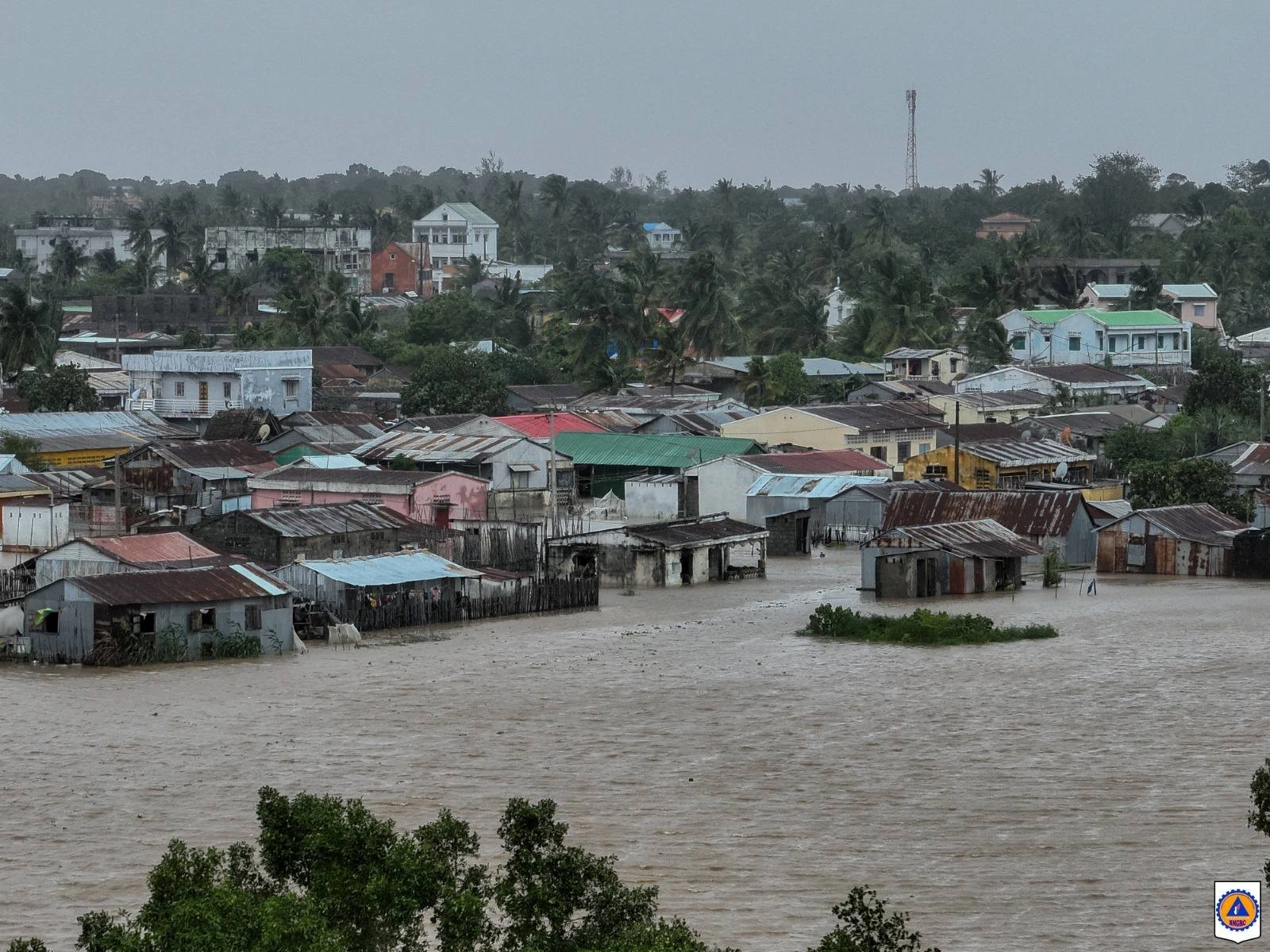
Cyclones in Madagascar almost invariably lead to dramatic consequences. Loss of life remains tragically common, particularly in isolated regions where access to aid is limited. Thousands of families are left homeless overnight, seeking shelter in temporary and often inadequate facilities.
Housing, largely built with fragile materials, rarely withstands violent winds and flooding. Roofs are torn away, homes collapse and entire neighborhoods are destroyed. In some cases, towns and villages are damaged by as much as 90 percent. Critical infrastructure—roads, bridges, electricity and water networks—also suffers severe damage, isolating regions for weeks or even months.
Economic Losses and
Beyond the human tragedy, the economic toll is staggering. Cyclones devastate farmland, destroy harvests and worsen food insecurity. Reconstruction costs are exorbitant and often exceed national budgetary capacities. It is not uncommon for damaged infrastructure to remain unrepaired years later due to a lack of funding. Each disaster wipes out years of development efforts in a matter of hours, slowing economic growth and deepening poverty.
At the same time, Madagascar is facing a severe food crisis, particularly in the south and south-east. Prolonged droughts combined with repeated climate shocks have sharply reduced agricultural yields. In some areas, chronic food insecurity has become the norm, exacerbated by the destruction of crops during cyclonic events. This reality highlights the close link between natural disasters and impoverishment, trapping vulnerable households in a vicious cycle of crisis and dependence on humanitarian aid.
Scars of the Past
Madagascar’s climate history is marked by cyclones whose names remain etched in collective memory. Kamisy in 1984 devastated the north and north-west; Honorine in 1986 caused widespread flooding along the coast; Geralda in 1994 paralyzed Antananarivo; and Gafilo in 2004, one of the most destructive in recent history, cut across the island leaving hundreds dead and massive economic losses.
Despite this persistent vulnerability, Madagascar continues to demonstrate remarkable resilience—yet resilience alone is not enough. Strengthening infrastructure, improving early warning systems, adapting agricultural practices and fighting poverty are urgent priorities. As extreme climate events intensify worldwide, Madagascar’s situation underscores the pressing need for coordinated national and international action, to prevent the Great Island from remaining trapped in an endless cycle of natural disasters.
Ami Ral
Lafika sy mosavy :
Antony inoana fa mahatonga fahasarotana amin’ny fananahana sy ny fiterahana !
[Zava-dehibe ny manamarika fa tsy lafika avokoa no mahatonga ny tsy fahazoana zaza na ny fahasarotana amin’ny fiterahana.]
Maro amin’ny vehivavy maniry ny ho reny no miatrika olana amin’ny fananahana sy ny fiterahana, indraindray tsy hita mazava ny antony ara-pitsaboana. Ao anatin’izany toe-javatra izany no iresahan’ny olona matetika ny antsoina hoe lafika, izay inoan’ny maro ho vokatry ny mosavy na sompatra, araka ny finoana nentim-paharazana eto Madagasikara. Na dia tsy voaporofo ara-tsiansa aza izany, dia mbola mitoetra lalina ao an-tsain’ny fiarahamonina ny fisian’ity tranga ity, indrindra rehefa miverimberina ny tsy fahazoana zaza na ny fahaverezan-jaza.
Finoana
Araka ny finoana, ny lafika dia sompatra na zavatra hafahafa heverina fa apetraka ao amin’ny vatana na ny kibon’ny vehivavy, ka manakana azy tsy ho bevohoka na mahatonga fahasarotana mandritra ny fitondrana vohoka sy ny fiterahana. Lazaina fa mety hiseho amin’ny endrika maro izany, toy ny fahatsapana mavesatra na hafahafa eo amin’ny kibo, fiovan’ny fadimbolana, na fahatsapana fanaintainana tsy mazava antony.
Misy vehivavy lazaina fa tsy bevohoka mihitsy na dia efa ela nanambady aza, misy koa tsy mahatazona zaza mihoatra ny telo volana, ary misy indray miatrika fiterahana sarotra izay inoana fa vokatry ny “fanakanana” tsy ara-dalàna ao an-kibo.
Soritr’aretina
Araka ny tantara sy filazan’ny olona, anisan’ny famantarana heverina fa misy lafika ny tsy fahazoana zaza maharitra, ny fahaverezan-jaza miverimberina, ny fahatsapana fihetsehana tsy mahazatra ao amin’ny kibo havia, na koa ny fadimbolana tsy milamina. Indraindray, mandritra ny fiterahana, dia lazaina fa misy zavatra tsy ara-dalàna hita, toy ny rano maina na ravin-javatra, izay vao mainka mampahery ny finoana fa nisy mosavy.
Fitsaboana
Manoloana izany, misy ireo vehivavy na fianakaviana manatona mpitsabo nentin-drazana, indrindra raha mihevitra fa nisy nisompatra. Anisan’ny vahaolana ampiasaina araka ny lovantsofina ny fampiasana zavamaniry natoraly, lavenona avy amin’ny bozaka maina dorana afangaro amin’ny rano sy sira, na fisotroana ranon-javamaniry sasany ho fiarovana sy fanadiovana ny vatana.
Na izany aza, misy ihany koa ireo misafidy ny hanaraka fitsaboana ara-pahasalamana maoderina, indrindra rehefa mitohy na miharatsy ny olana.
Zava-dehibe ny manamarika fa tsy lafika avokoa no mahatonga ny tsy fahazoana zaza na ny fahasarotana amin’ny fiterahana. Misy antony ara-pitsaboana maro mety hitarika izany, toy ny olana hormonaly, aretina miafina, vokatry ny fanafody fanabeazana aizana, na vokatry ny fanalan-jaza teo aloha. Ny asa mafy sy ny fiovan’ny vatana tampoka mandritra ny fitondrana vohoka dia mety hitarika fahaverezan-jaza ihany koa, nefa tsy midika ho mosavy izany.
Fisorohana
Araka ny fomba nentim-paharazana, misy fepetra lazaina fa manampy amin’ny fiarovana, toy ny fialana amin’ny fipetrahana amin’ny bozaka na tany tsy fantatra, fitandremana manokana ny fitaovana momba ny tena, toy ny volo sy hoho, ary ny tsy famelana olona tsy atokisana hikitika ny kibo. Ampirisihina ihany koa ny fihinanana sakafo madio sy azo antoka ho fiarovana ny vatana.
Na dia ilaina aza ny fanajana ny finoana sy ny kolontsaina nentim-paharazana, dia zava-dehibe ny mifampidinika amin’ny mpitsabo manam-pahaizana rehefa misy olana amin’ny fananahana sy ny fiterahana. Tsy tokony hanolo tanteraka ny fitsaboana ara-tsiansa ny vahaolana natoraly, fa tsara raha ampifandanjana, mba hiantohana ny fahasalamana sy ny ain’ny reny sy ny zaza.
Yves Rindra