
Catastrophes naturelles - Madagascar un des pays les plus vulnérables au monde !
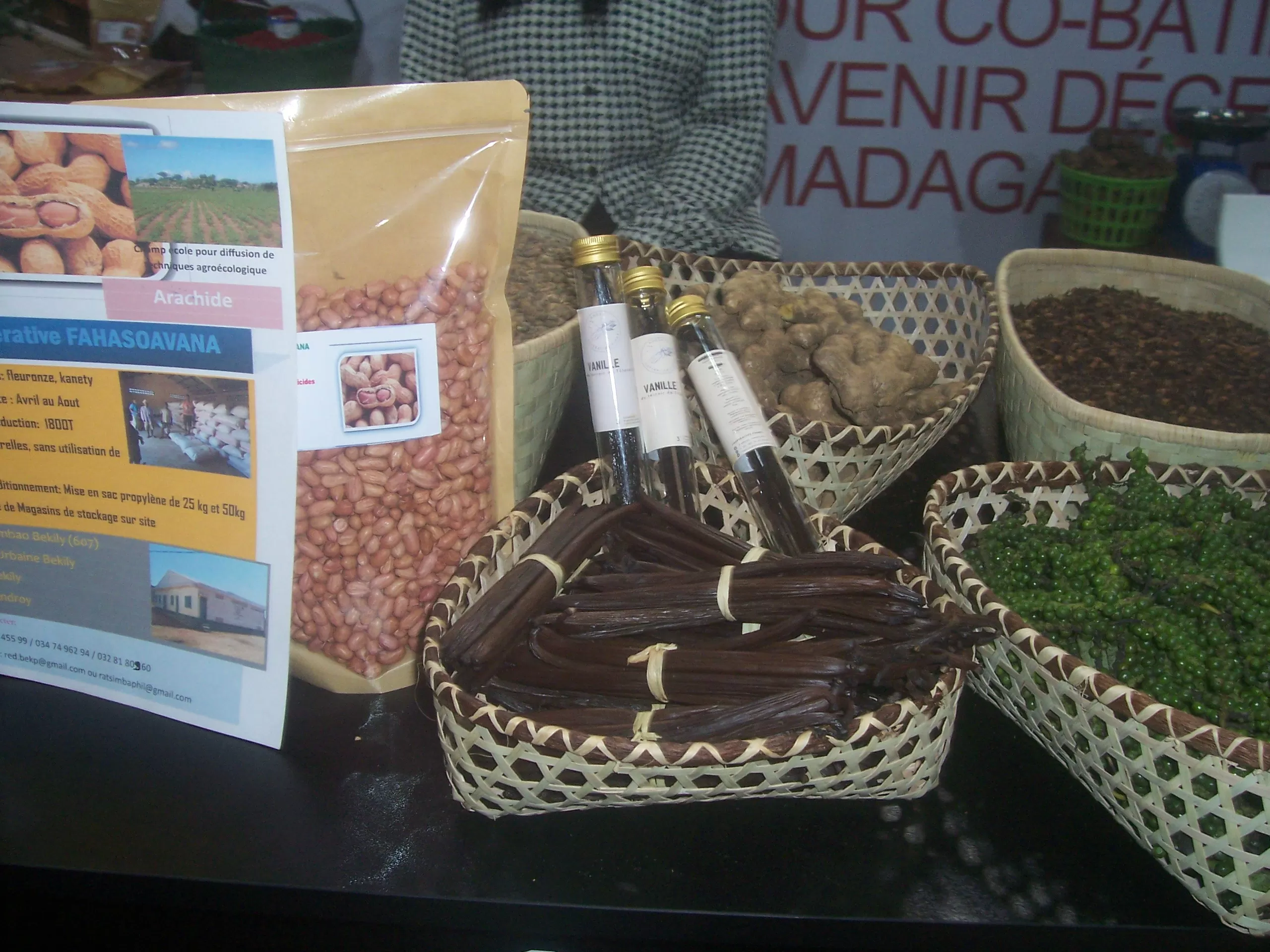
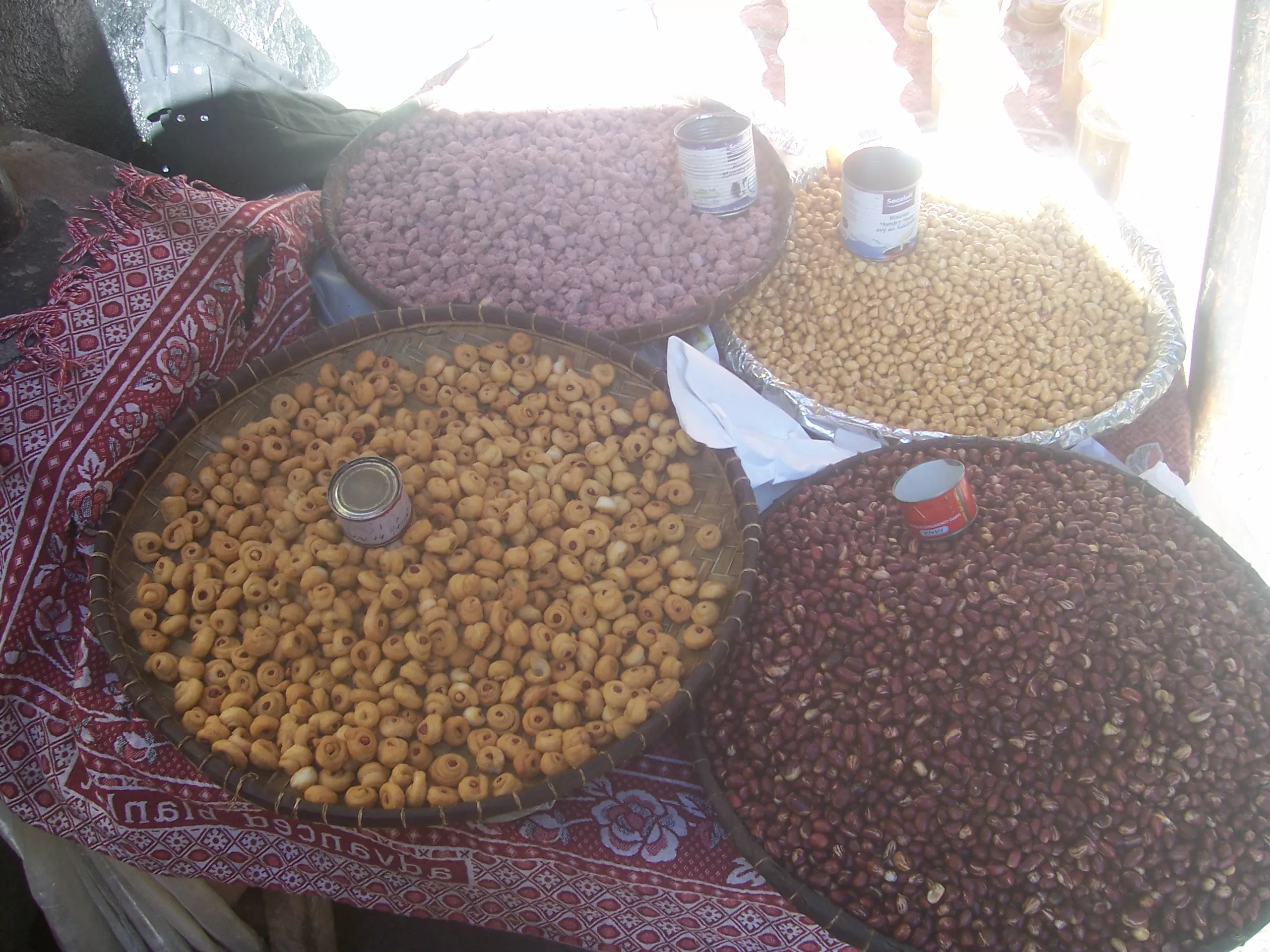
🍇 ** Sakamalaho sy havozo - Produits et terroir **.
🥘 *Plongez dans l'univers des saveurs exotiques et des mets traditionnels qui éveilleront vos papilles : découvrez les secrets culinaires de cette destination gourmande.

« Découvrez nos articles récents et Archives »
« OFFRES »
Voankazo :
Hafa ihany ny poara gasy !
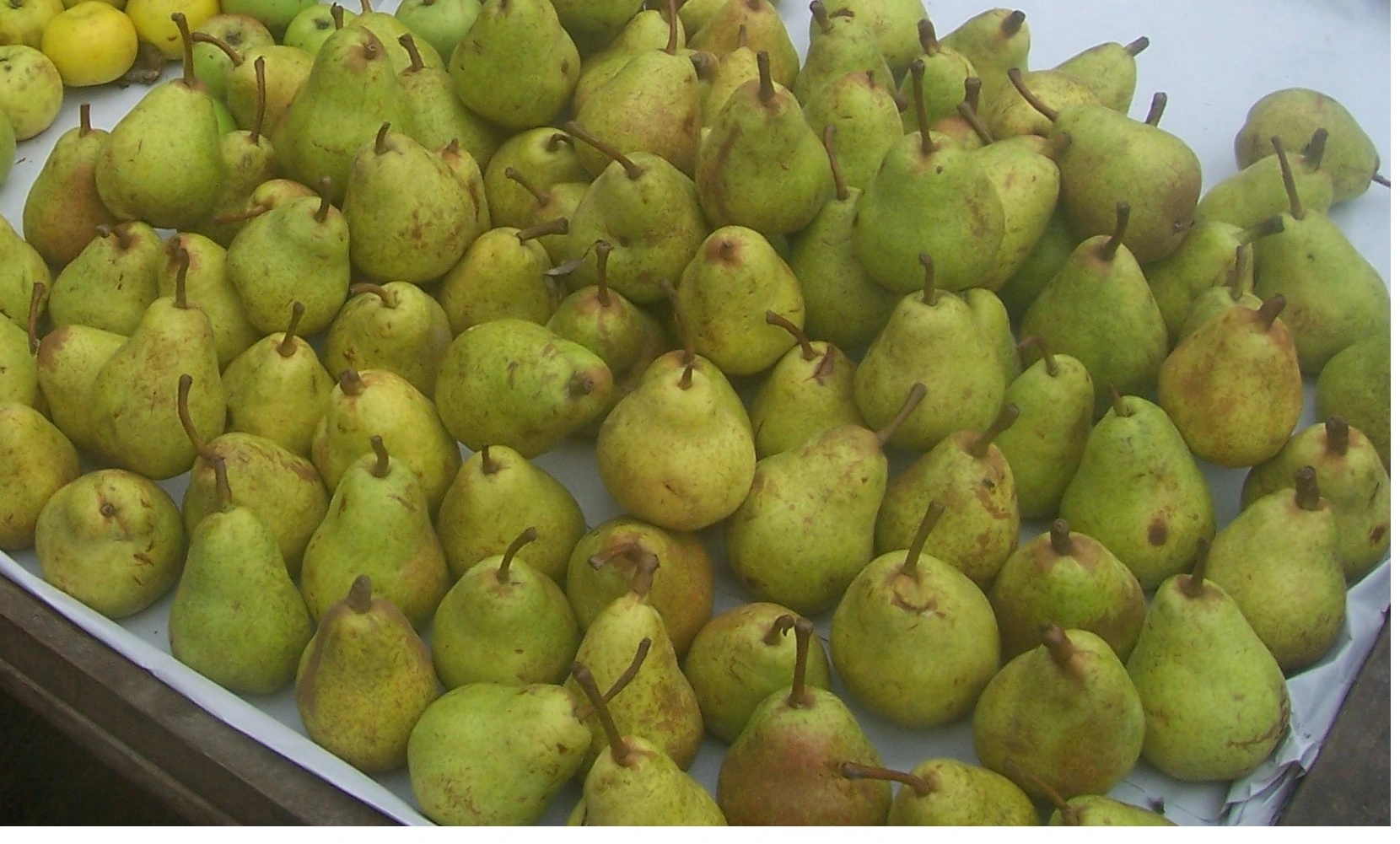
Anarana samy miantomboka amin’ny “P” daholo na paiso, na paoma, na poara. Mikasika ity farany dia efa mitobaka eny an-tsena izy amin’izao kanea mbola hafa ihany ny poara gasy. Mbola ny poara gasy aloha izao no amidy, izay efa hita teny an-tsena nanomboka tany amin’ny desambra ny taona lasa. Mbola azo lazaina hoe mora ny vidiny amin’izao satria 1000 ar dia efa mahazo toko iray ary eo amin’ny 4000 ariary na latsak’izay ny vidin’ny iray kilao. Ny poara gasy aloha no tena tian’ny mpanjifa, hoy ny mpivarotra. Misy koa poara hafa, izay poara grefy. Somary mafimafy ny hoditr’izy io. ary tsy dia tian’ny mpanjifa loatra. Rehefa tapitra ny poara gasy dia miakatra inday io karazana poara faharoa io. Amin’izao fotoana izao dia mbola tsy miakatra io poara karazany faharoa io. Marihina fa any amin’ny faritr’i Vakinankaratra no tena mamboly poara, tahaka ny paoma ihany.
Vokatsoa
Maro ny vokatsoa azo avy amin’ny poara no sady azo aodina hanaovana karazan-javatra tahaka ireto izy:
-Hamainina
-Hatao kaofitira
-Hatao ranomboankazo
Matsiro sady tsara ho an'ny fahasalamanao, ireto ny tombontsoa azo avy amin'ny poara: Mamelona ny vatana (84% ny rano ao anatiny).
Manankarena vitamina C, antioksida mahery vaika.
Manatsara ny fifandanjan'ny asidra sy ny fotony, noho ny votoatin'ny potasioma ao anatiny. Manampy amin'ny fandevonan-kanina noho ny votoatin'ny fibre ao anatiny.
Ambany kaloria nefa manankarena otrikaina: vitamina, singa madinidinika, ary mineraly izay mandray anjara amin'ny sakafo voalanjalanja.
Ami Ral
Taolagnaro :
Tranombarotra iray nahatratrarana entana lany daty !
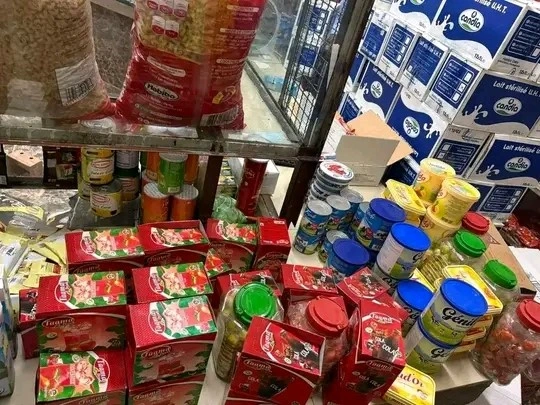
Nahatratra entana maro lany daty sy nanaovana hosoka, tao amin'ny tranombarotra iray tany Taolagnaro ireo mpanara-maso avy amin’ny minisiteran’ny Varotra sy ny Fanjifana. Nandritra ny fitsirihana natao teny an-tsena sy tamin’ireo toeram-pivarotana ny faramparan’ny volana janoary teo no nahitana izany, araka ny vaovao navoakan’ny “La Dépêche Informative Taratra”. Tsy vitan’ny hoe lany daty ireo entana fa nisy ihany koa ny fanovana ny daty voasoratra teo amin’ny fonosana. Anisan’ireo entana tsy manara-dalàna hita ny ronono, vatomamy, dibera, paty, bisky, ranom-boankazo, frômazy, ary siramamy. Rehefa vita ny fombafomba ara-panjakana dia nogiazana ireo entana ireo ary hopotehina, miaraka amin’ny sazy ho an’ireo mpivarotra tsy manara-dalàna.
Manamafy hatrany ny Minisiteran’ny Varotra sy ny Fanjifana fa tsy handefitra amin’ny fampiharana ny lalàna izy, ary hanohy ny ady amin’ny fivarotana entana tsy manara-dalàna, ho fiarovana ny zon’ny mpanjifa sy ny fahasalamam-bahoaka. Raha ny tokony ho izy dia esorina avy hatrany ireo entana hita fa lany daty ireny. Misy ihany koa tranombarotra sasany manao varoboba mialohan’ny ahataperan’ny fepotoana ahazoana manjifa ireny entana ireny.
Ami Ral
Rivodoza Fytia :
Namoizana ain’olona sy namela takaitra !
Namoizana ain’olona maro sy namela takaitra tamin’ireo faritra nolalovany ny rivodoza Fytia. Toy izao ny tatitra ofisialy navoakan’ny Ivotoerana Nasionaly Misahana ny Fandrindrana ny Asa Vonjy (BNGRC) mikasika ireo antontan’isan’ny fahavoazana voaray farany tamin’ny datin’ny 4 febroary 2026 lasa teo :
Isan’ny olona maty : 12 (02 Tana II, 01 Ambato Boeny, 04 Soalala, 04 Anjozorobe, 01 Mahajanga II )
Isan’ny olona naratra : 07 ;
Isan’ireo traboina : 77 192 olona , 18 561 tokatrano ;
Isan’ireo olona nafindra toerana : 30 873 olona ; 7 900 tokatrano ;
Isan’ireo trano dobo-rano : 13 514;
Isan’ny trano nahitana fahasimbana : 2 211;
Isan’ny trano rava tanteraka : 1 950;
Isan’ny trano fianarana niala amin’ny ampahany ny tafo : 133;
Isan’ny trano fianarana simba amin’ny ampahany : 95;
Isan’ny trano fianarana potika tanteraka : 54
Ireo antontan'isa ireo dia antontan'isa voaray avy amin'ireo Faritra 09 ( Analamanga – Atsinanana - Vakinakaratra - Boeny - Betsiboka -Melaky -Sofia- Alaotra Mangoro sy Itasy ) sy distrika 35 izay tena nahitana fahavoazana vokatr'ilay rivodoza FYTIA.
Ami Ral
Malagasy New Year :
Still searching for a shared date !
Every year, as seasons shift and the moon traces its ancient rhythm across the Malagasy sky, the same question quietly resurfaces: when, exactly, should the Malagasy New Year be celebrated? Known as Taombaovao Malagasy, this traditional New Year remains without a single, unanimously accepted date—despite repeated efforts to find common ground.
At the heart of the debate lies a delicate balancing act between cultural custodians, community practitioners, and public authorities. Once again, the government has expressed its intention to bring together traditional leaders and cultural guardians to agree on a shared date for the celebration. It is not the first time such an initiative has been launched. Similar attempts in past years sparked dialogue and hope, yet consensus proved elusive.
Why has this question resisted resolution for so long? Unlike the Western New Year, fixed on January 1st and anchored in a solar calendar, the Malagasy New Year follows a different logic altogether. Its timing is traditionally determined through lunar observation, ritual practices, and ancestral calendars. As a result, various cultural groups rely on distinct interpretations of timekeeping passed down through generations. Each believes its method to be legitimate, rooted in history and spiritual continuity.
Diversity
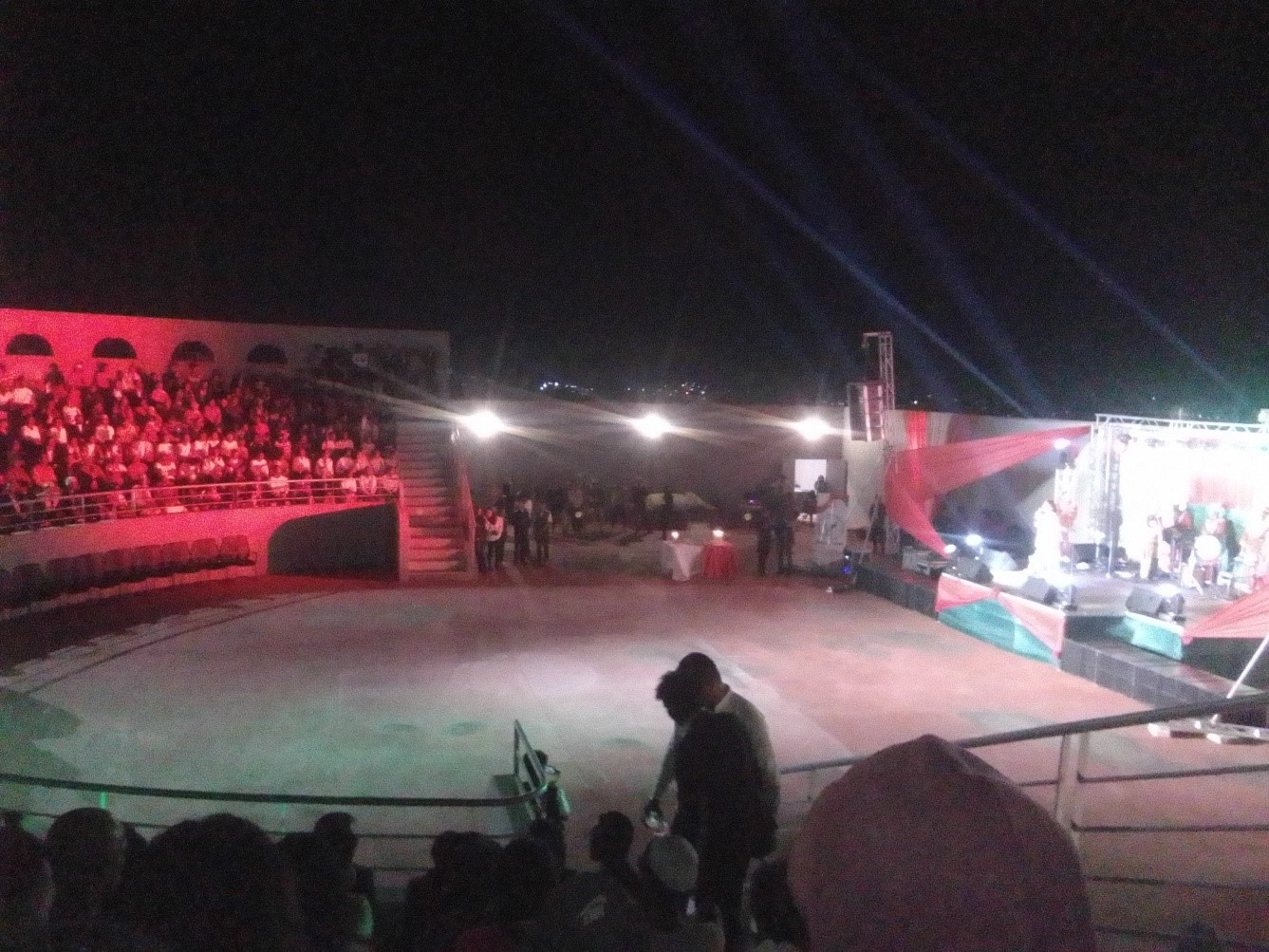
This diversity has led to multiple celebrations within the same year. In recent times, some communities have marked the Malagasy New Year early in the year, while others have chosen the middle months. In 2025, for instance, major celebrations took place in late March at the Rova of Manjakamiadana and later continued at Mahamasina Stadium with symbolic rituals such as the Afo tsy maty (the eternal flame) and tsimandrimandry. Yet, just a few months later, another New Year celebration emerged in August, labeled the “spring New Year,” effectively creating a second Taombaovao within the same calendar year.
For some observers, this dual celebration reflects inclusivity—a way to acknowledge different cultural readings of time. For others, it signals confusion and a fragmentation of tradition.
The core of the issue is not merely administrative. Declaring a date by decree has never been enough, and likely never will be. Taombaovao Malagasy is more than a day on a calendar; it is a spiritual marker, a renewal of bonds between the living, nature, and the ancestors. Any attempt at unification must therefore respect the complex cosmology behind it.
As discussions continue, one question remains open: will Madagascar eventually agree on a single date for its traditional New Year, or will plurality remain its defining feature? For now, Taombaovao Malagasy continues to reflect the country itself—rich, diverse, and guided by many paths of memory and meaning.
Ami Ral