
🎨 ** Hairaha - Art et Business **.
🎭 *Explorez les trésors artistiques et artisanaux locaux, reflets de la culture et de la créativité de cette terre aux multiples facettes.
Silk production
Prosperous but endangered by wild firesand environmental destruction
Silk production in Madagascar is a win of money for farmers and artisans. However, land fires and environmental destruction are threats to this economic activity branch. Thus, we have interviewed Mr. Randrianoharivony Barizaka, a silk producer and artisan. He is the manager of the manufacturing workshop “Mada Soie” which is also a member of the Tsinjo Cooperative or Group.
Voandalana Ami du Voyageur (VAV): What are you responsible for, this company, cooperative, or organization ?
Mada Soie (M.S): I am responsible for a kind of small manufacturing workshop within the Tsinjo cooperative. This silk has a manufacturing workshop in Amberomanga, processing all silk products. We are in charge of the farmers who breed these silkworms. That is, we produce the seeds, the silkworm eggs, distribute them to the farmers. Then we collect the products so that they don’t have to travel to find a market. So we collect it and process it into silk .
VAV: You do not only produce it but also process it ?
M.S: We also produce it. We produce seeds and we also produce cocoons.
VAV: Where is the place where you do it ?
M.S: The place where our manufacturing is located is in Amberomanga, Mahitsy commune.
VAV: What is this plant, what are these silkworms and consorts produced from…?
M.S: These are the leaves of mulberry.
VAV: Where is it ?
M.S: It’s also in Amberomanga
VAV: What is the name of the tree ?
Breeding
M.S: “Voarohihazo”, a mulberry tree. That is to say, the production of cocoon and silk farming do not to be separated, like rice and water. Because if you have cocoon but don’t have silk, or if you also raise silkworms but don’t have cocoon, you can’t do anything. Silkworms are their only food. This means that if you breed silkworms, you have to plant mulberry tree.
VAV: How long have you been doing this activity ?
M.S: We really started doing this in 2005.
VAV: Do you do anything else besides this or are you really focused on producing and processing silk ?
M.S: It has a season, from November to May is the main production of the “cocoon”. That’s when we really do the production of the silk farming. But from May to November, it is winter, there’s no farming. Because we don’t really have a permanent shop, we have to find other ways to earn money. Because it’s only at fairs like this that we really have a market.
Market
VAV: Where is your market? In Antananarivo, Madagascar, abroad, or what about that market ?
M.S: First of all, our market is in our shop, in the manufacturing (...) Then, when there are visitors, many guests come buy
VAV: What kind of product is it that has the most customers ?
M.S: In general, people like silk with a natural color
VAV: What kind of thing is exported ?
M.S: The finished product
VAV: For your case, silk production is inherited from your parents or learned ?
M.S: First of all, the truth is that the farming was inherited because our parents used to farm. But later, when we joined this Mada Soie manufacturing we started adding with the training.
VAV: So in a year, how much do you produce in terms of cloth ?
M.S: It has been measured that we produce about 250 or 300 in a year.
VAV: About the distinction between wild and not wild. Is the “wild” silkworm grows in the forest and doesn’t planted ?
M.S: Yes, as a “wild” one, it is in the forest that the “wild” silkworm really lives. Because it only eats tapia plants.
VAV: Is there grows in Itasy area where tapia forest is the most abundant ?
M.S: Yes, in Arivonimamo where it is the most abundant
VAV: And about the other that is planted ?
Problem
M.S: Yes, this is also problematic. This is in our area, in Ankazobe and Ambohidratrimo where it is grown.
VAV: What is your main problem, is it the disease, the equipment, or the market ?
M.S: That is, in general, a combination of things. First of all, the disease is a big problem. But the main problem is the wild fire. The fire has caught the forest and burned it. Then there is no silkworm. This is a problem. Then, there is also the environment that is polluted. The air, especially near Antananarivo, it moves to the forest. So the silkworm cannot handle it either. That is the case with farming. In terms of processing, the equipment is also sometimes difficult to find, especially the materials.
VAV: What is your final message, whether for the government, for Malagasy, for business people, or for artisans ?
M.S: The message for all of us Malagasy is this: “Respect the environment. If we respect the environment and have a good society, no pollution, then the lives of others will be better because ours also depend on it”.
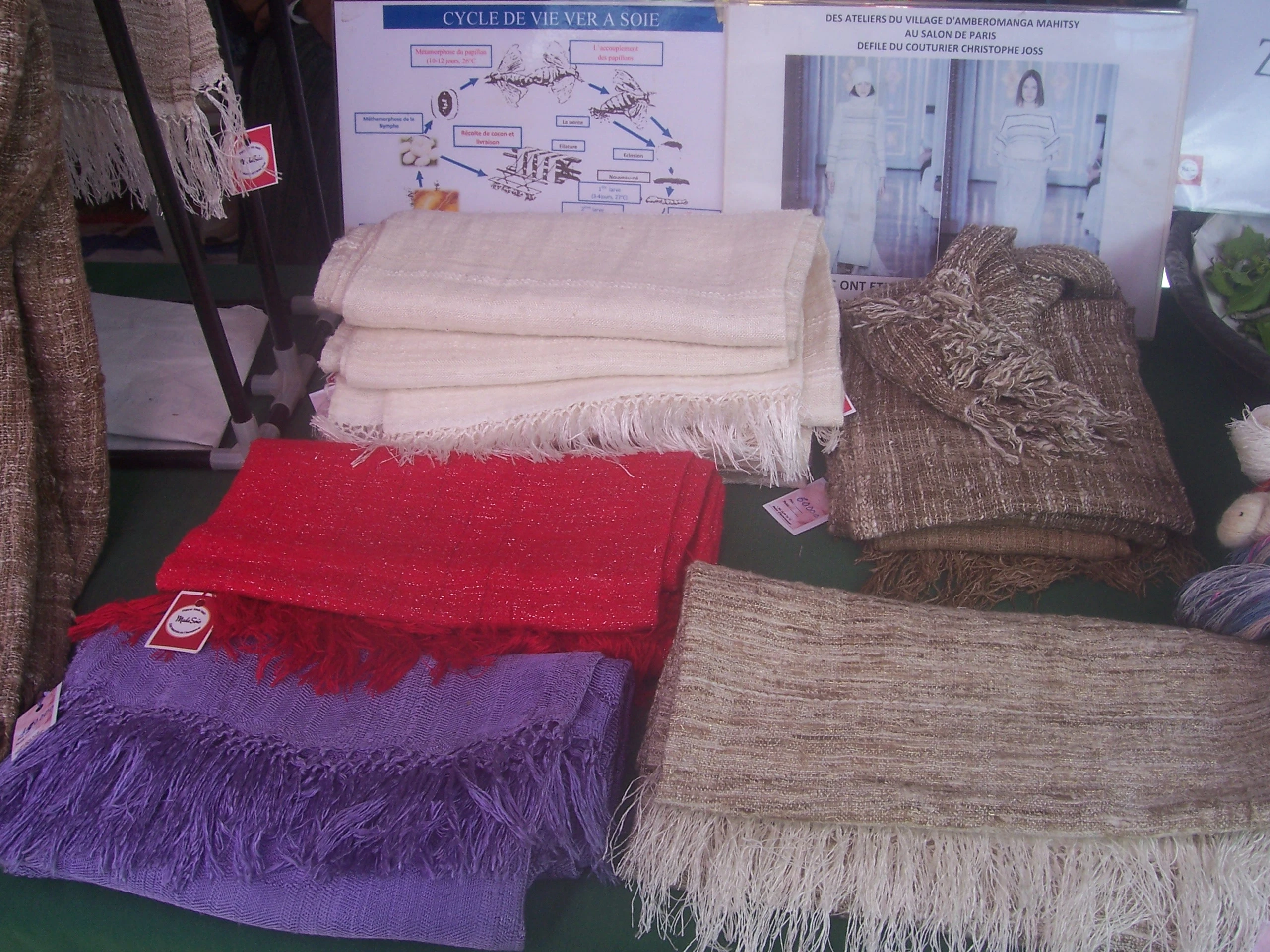
Interview by Ami Ral
29 Août 2025
Fifamoivoizana eto Andrenivohitra
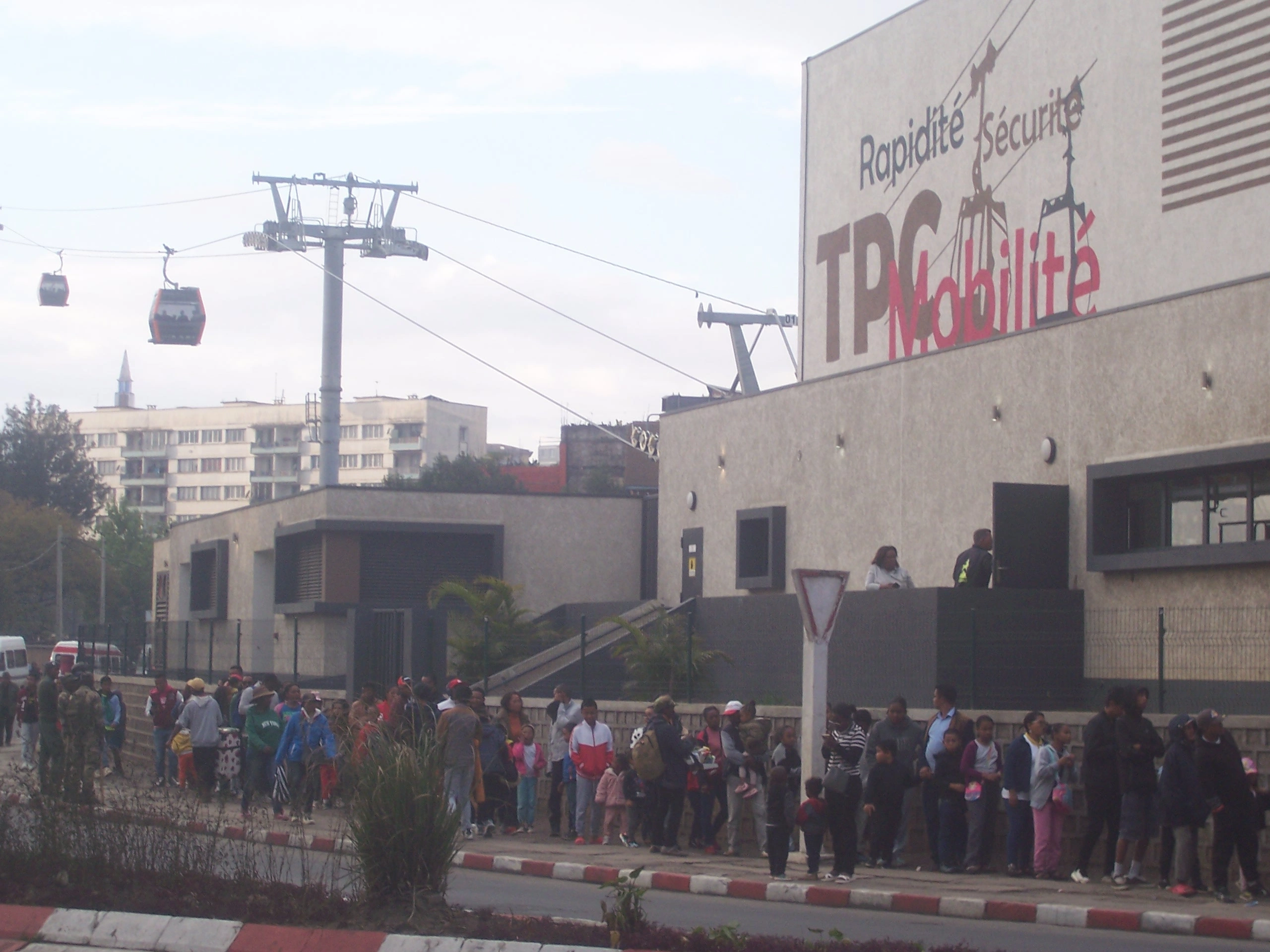
Tapabolana izao no niasan’nyfitaterana teleferika
Tapabolana teo izao no efa niasan’ny fitaterana TPC fantatra mahazatra na koa teleferika araka ny ahafantaran’ny besinimaro azy. Efa maro ireo teratany Malagasy nitaingina azy ity. Misy koa aza teratany vahiny, izay mpizahatany ny sasany amin’izy ireny. Ankoatry ny olondehibe dia ireo ankizy no tena liana hitaingina azy, indrindra ao anatin’izao fotoam-pialantsasatry ny mpianatra izao. Handoa vola hitaingina “manège” aza moa hatao ho azy ireny ! Raha tsiahiivina dia nilaharana tokoa ny sabotsy andro voalohany nandehanan’izy io. Misy tamin’ireo ray aman-dreny sasany moa efa nanomana programa hitondra ny zanaka aman-jafiny ny ampitson’iny. Misy koa ireo mbola mitazantazana mandinika aaloha, toy ity lehilahy iray lehibe nandalo teny Anosy ka nanontany na afaka mandeha amin’io na tsia satria hono manana tosidra ambony. Asa na hanahoana ny tohiny rehefa miditra eo ny mpianatra afaka fotoana fohy amin’ity volana septambra ity. Hitombo ve ny isan’ny mpandeha sa hihena ? Ankoatr’izay dia anisan’ny zavatra andrasana fatratra koa ny ho fihenan’ny fitohanan’ny fifamoivoizana na tsia, na dia amin’ny ampahany ihany aza.
Ami Ral
29 Août 2025